
Guides & News
PPF installation guides, window film reviews, car care tips, and industry updates.
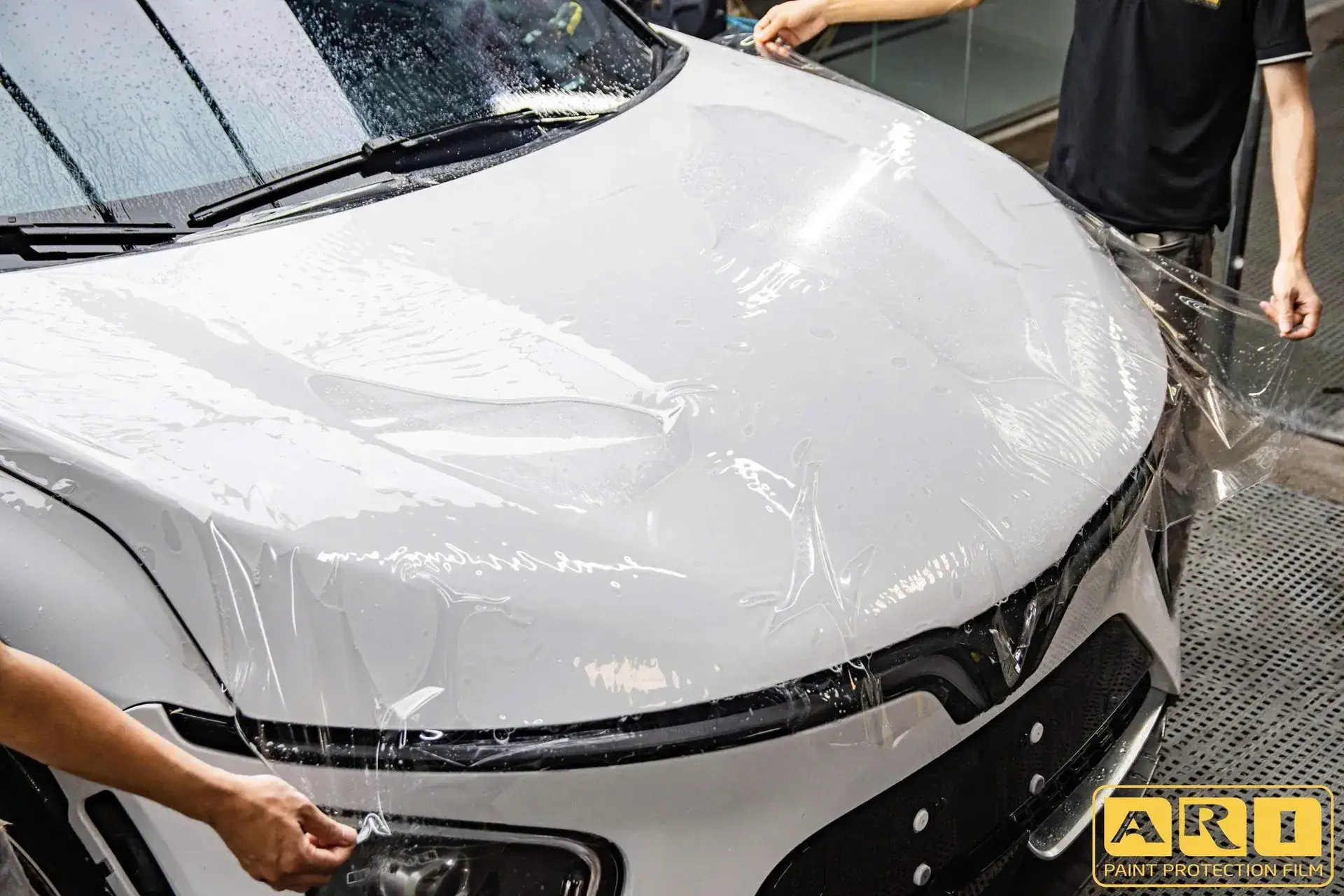
Does PPF Turn Yellow? Causes and How to Prevent It
Does PPF turn yellow? It can, but how much depends on the quality of the TPU material, how the car is used, and how the film is maintained. Paint protection film (PPF) made from TPU may show a slight color change after long exposure to sunlight, heat, and dirt, while lower-quality films tend to change color sooner and more noticeably.
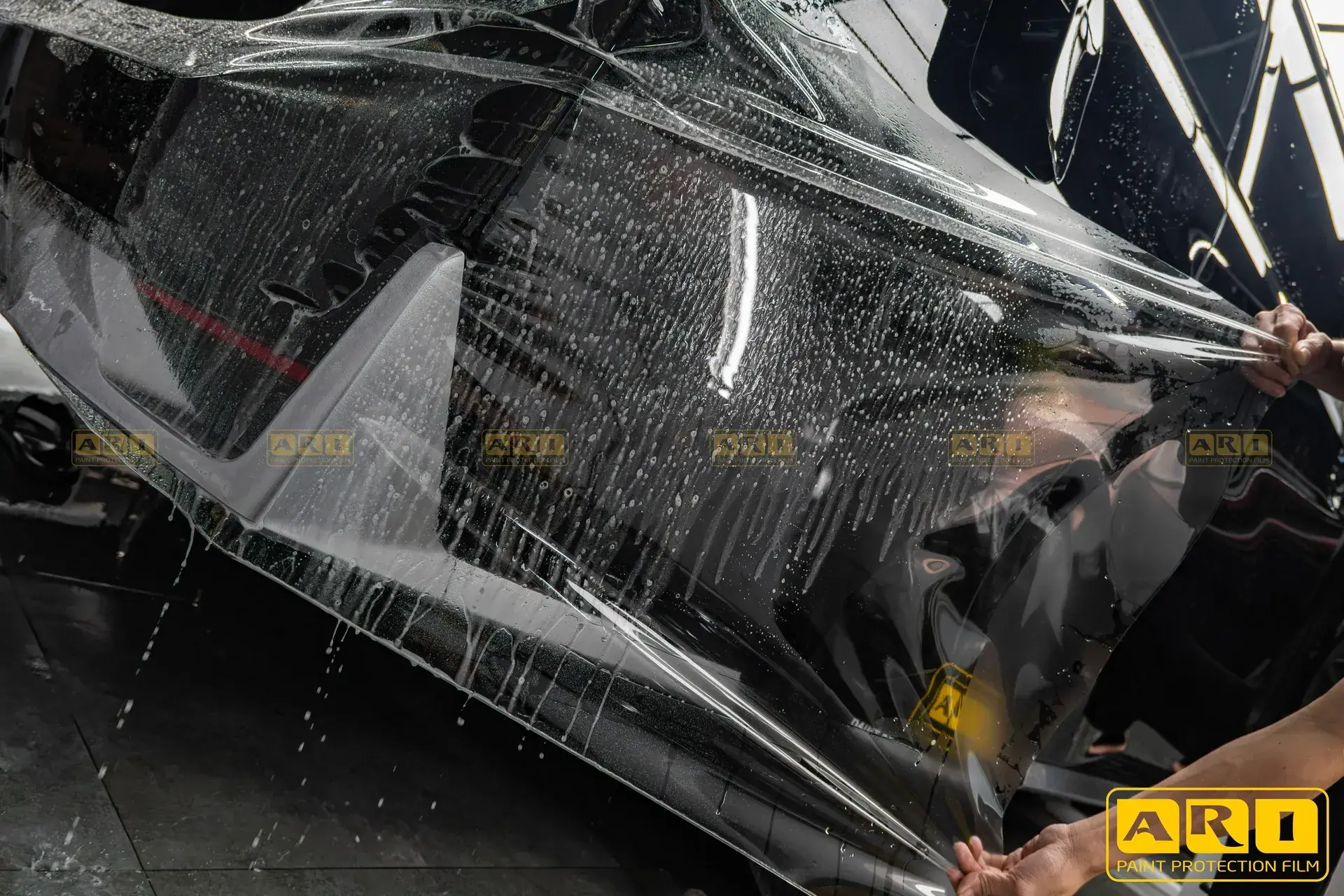
How to Fix PPF Pattern Mismatch Errors During Installation
Fixing PPF pattern mismatch errors involves a systematic check of the vehicle's specific trim, the plotter's calibration, and the digital template's accuracy. Technicians should verify the car's production year and exterior packages before cutting to ensure the paint protection film (PPF) aligns with sensors and body lines. By identifying whether the issue stems from measurement units or hardware settings, shops can reduce material waste and improve workflow.
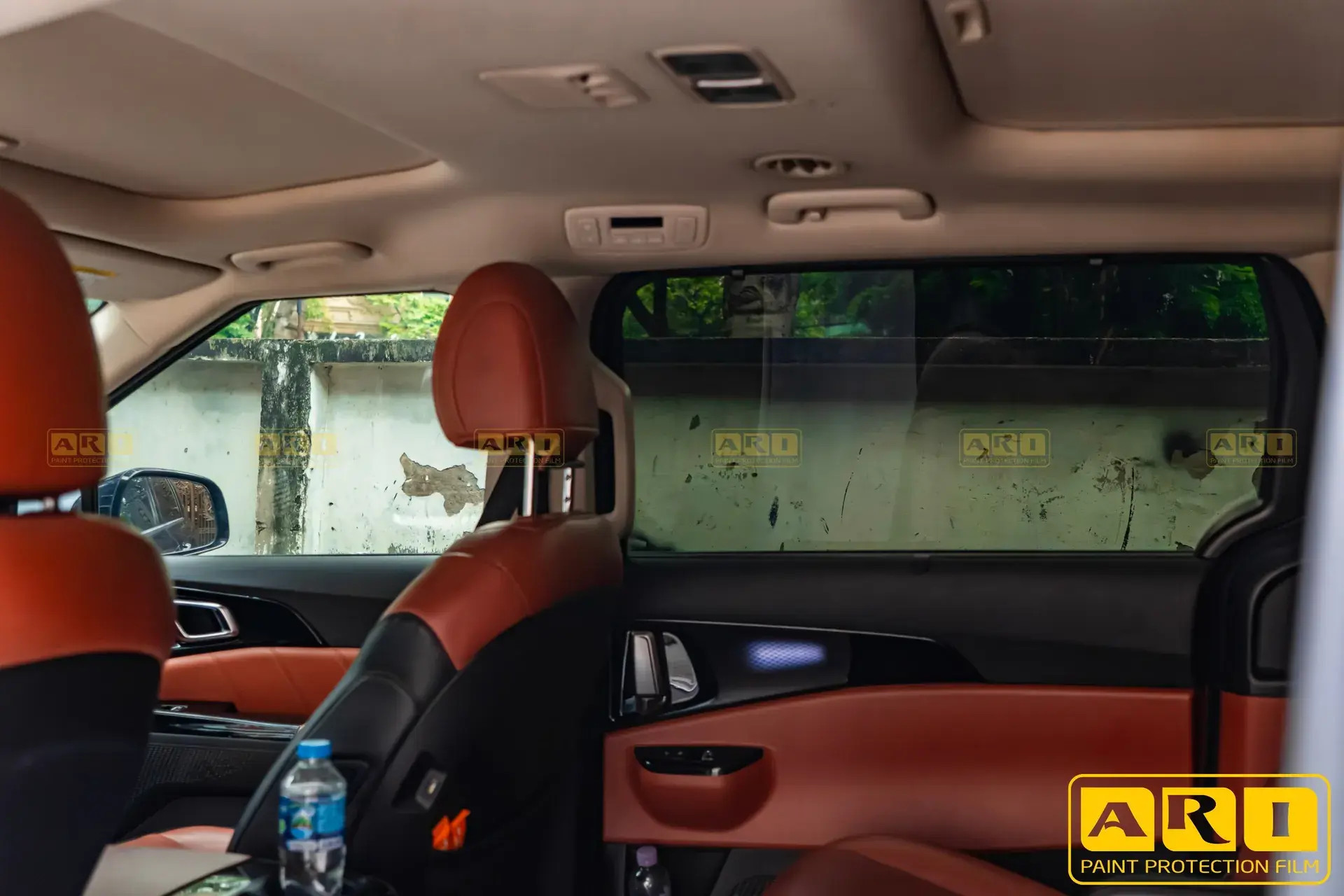
Carbon and Ceramic Window Tint: Pros and Cons Compared
Carbon and ceramic window tint are non-metallic films offering excellent heat rejection and signal clarity. Carbon films use microscopic particles to absorb heat and maintain color stability. Ceramic films utilize nano-ceramic technology to block infrared rays more efficiently while providing superior clarity. Both options help reduce interior temperatures without interfering with GPS or mobile signals, making them reliable choices for modern vehicle protection.
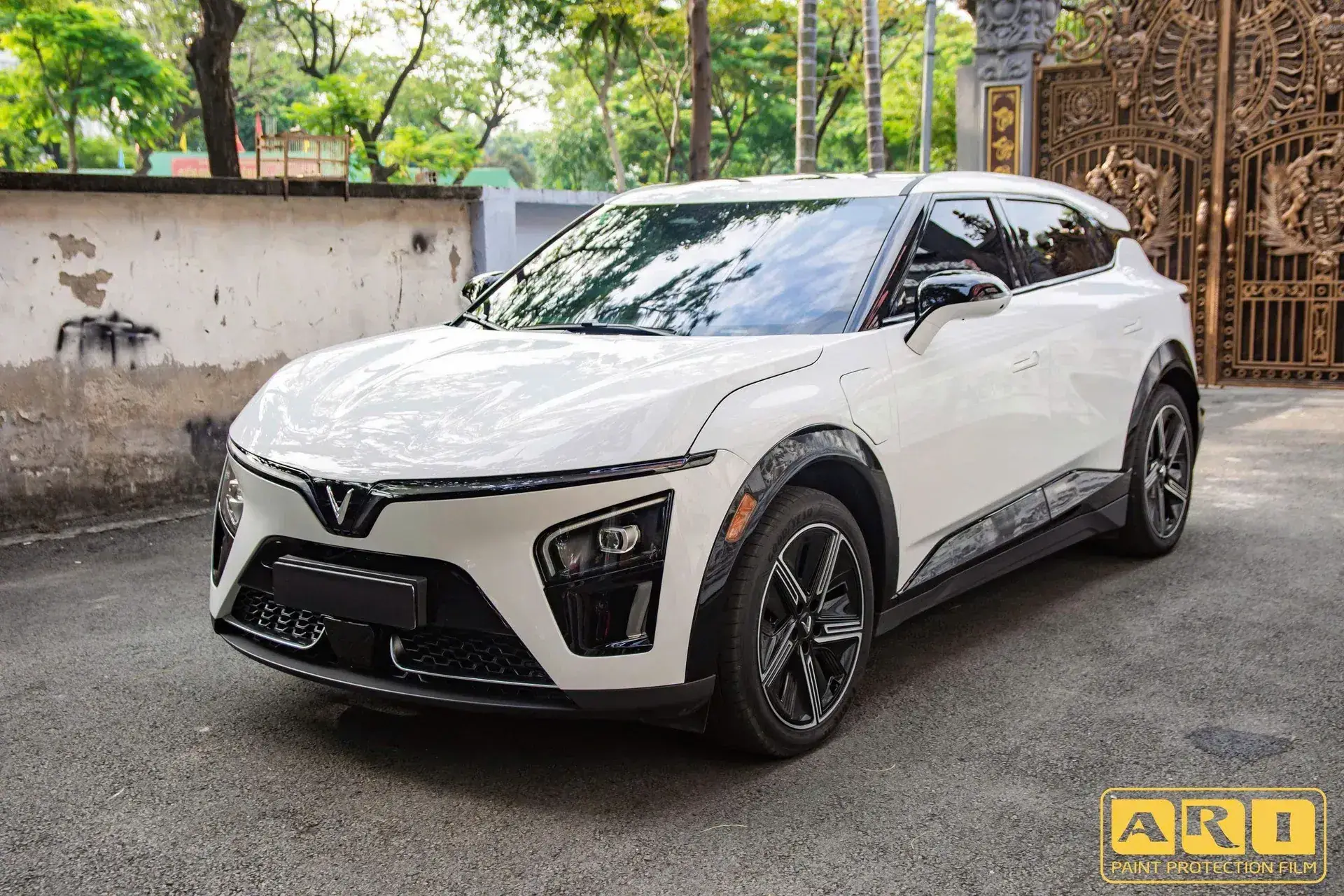
Should You Choose Color PPF or a Color Change Wrap?
Deciding whether you should choose color PPF or color change wrap products is a common dilemma for car owners. While standard vinyl wraps provide a quick aesthetic change, a high-quality paint protection film (PPF) offers a more robust solution for those seeking both style and surface security. Using advanced TPU material, color PPF acts as a durable shield for the vehicle while transforming its appearance.
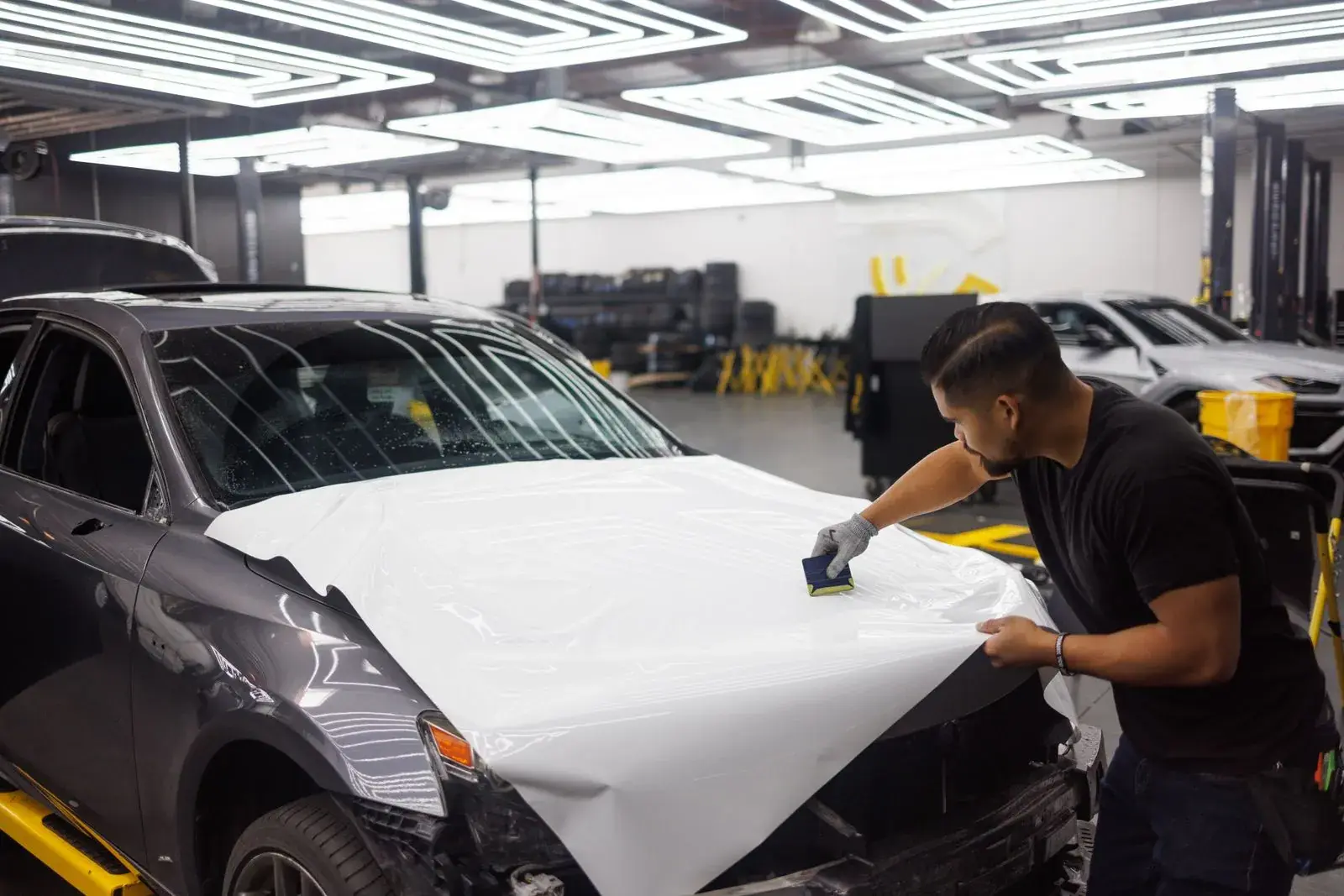
What Is Paint Protection Film? A Practical Guide for Car Owners and Installers
Learn how paint protection film works, what it protects against, and which specifications matter when comparing automotive PPF.
TPU vs TPH vs PVC PPF: Material Differences That Matter
A clear comparison of TPU, TPH and PVC protection films for flexibility, clarity, durability and long-term installation quality.
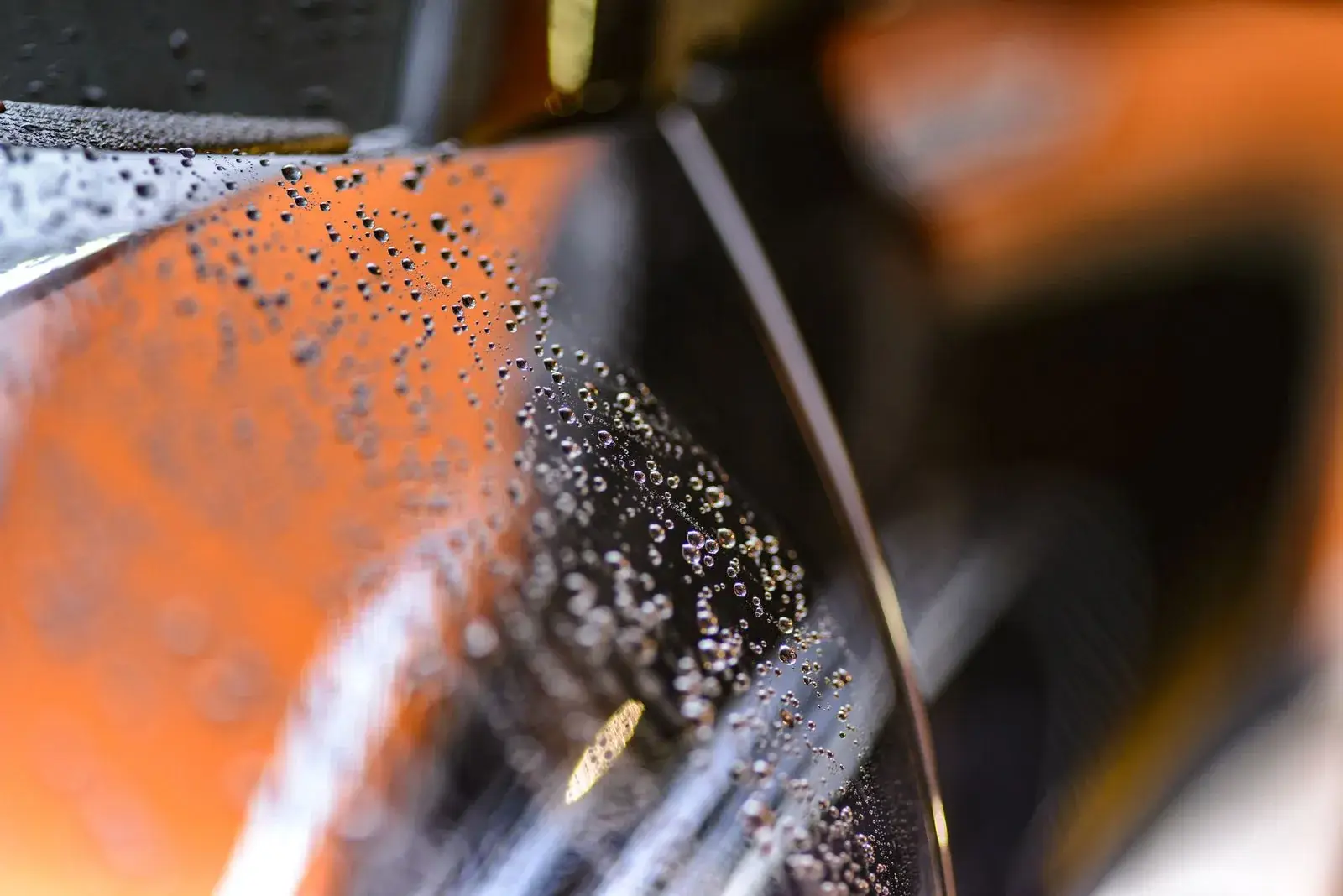
How Self-Healing PPF Works—and What It Cannot Repair
Understand the top-coat technology behind self-healing PPF and set accurate expectations for scratches, heat and maintenance.
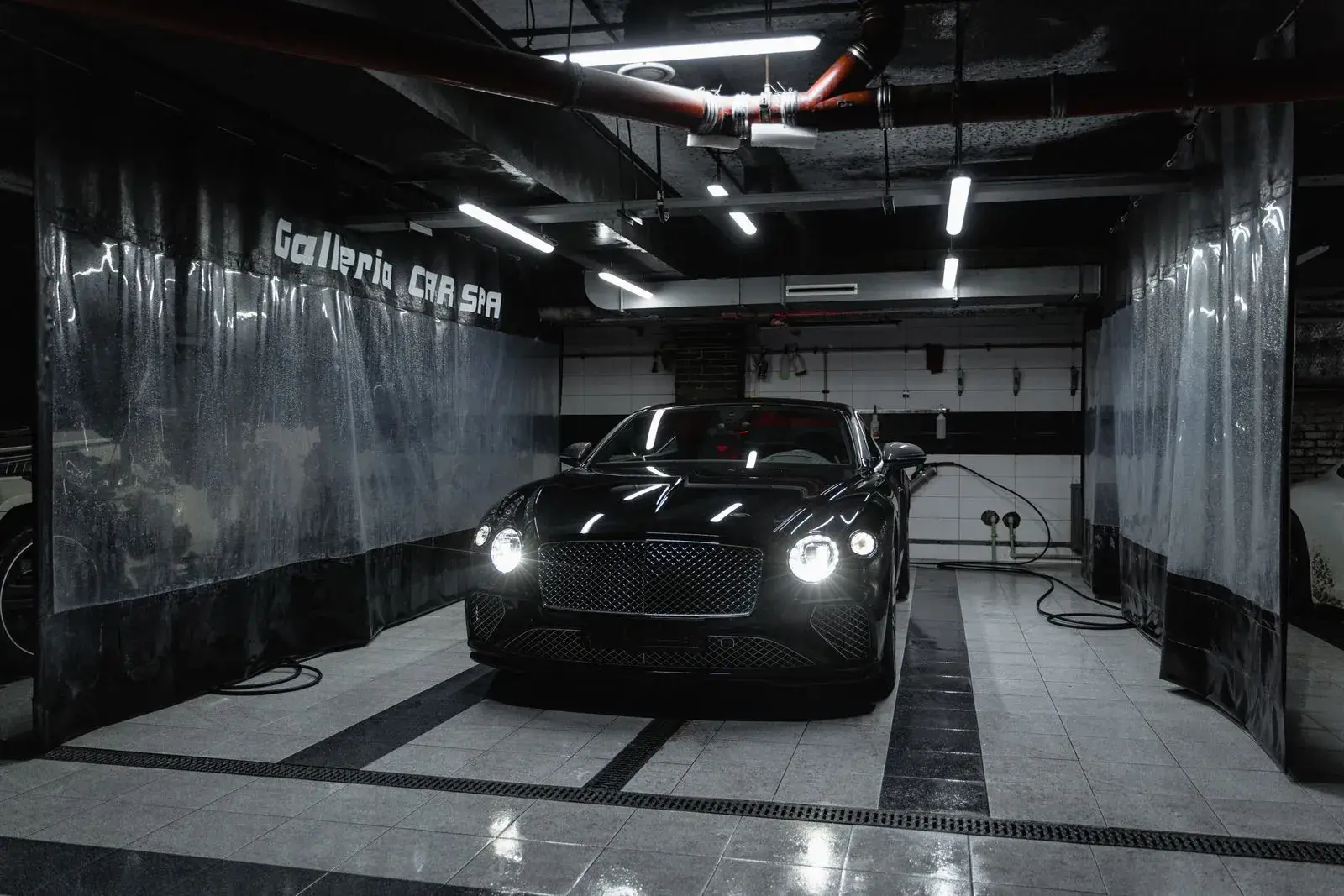
PPF vs Ceramic Coating: Protection, Appearance and Cost Explained
PPF and ceramic coating solve different problems. Compare impact protection, chemical resistance, maintenance and combined use.
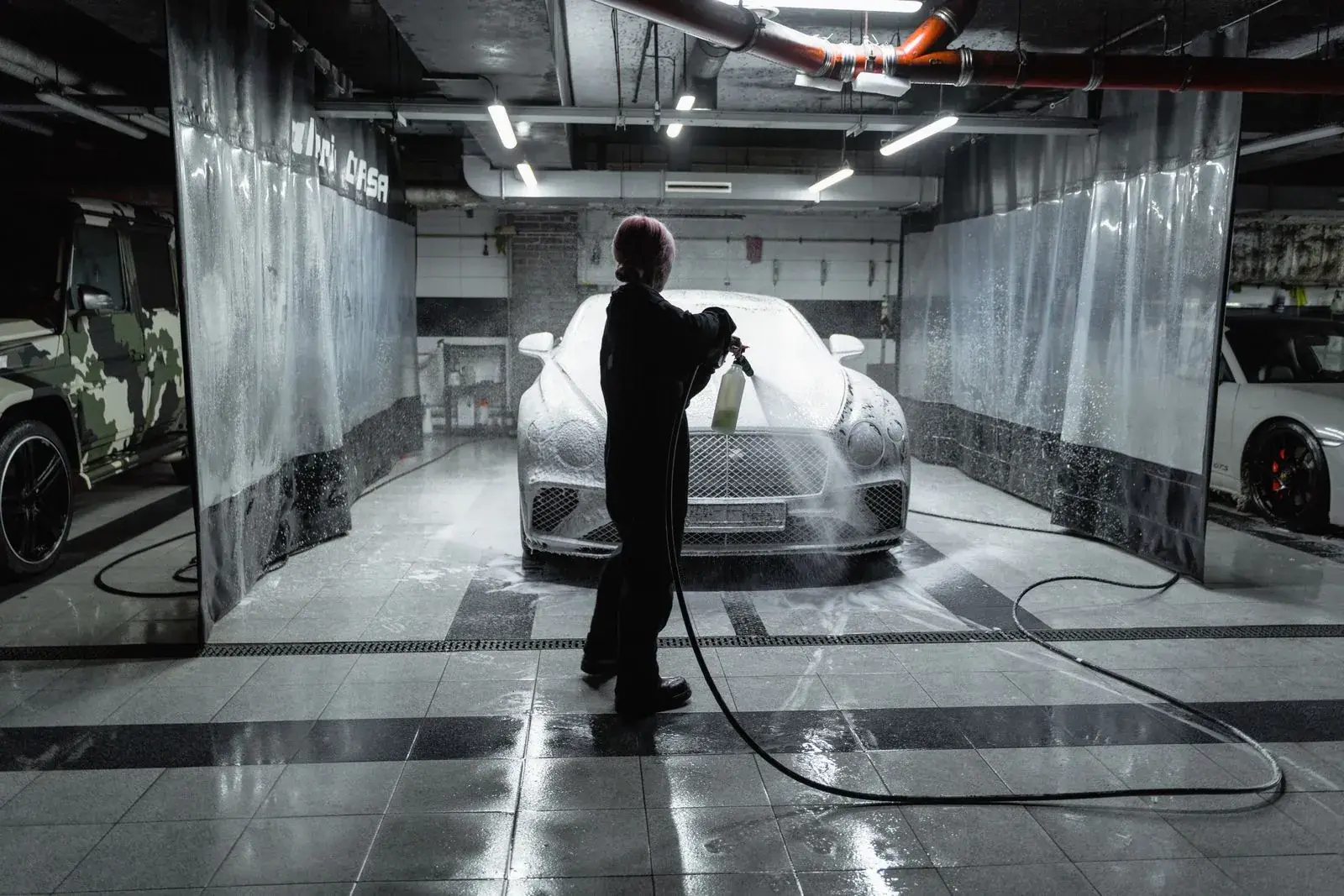
How to Care for PPF and Reduce Yellowing, Staining and Edge Lift
Practical maintenance guidance for keeping paint protection film clear, clean and securely bonded.
VLT, TSER, IRR and UVR: How to Read Automotive Window Film Specs
A practical explanation of the four window-film measurements buyers and installers compare most often.
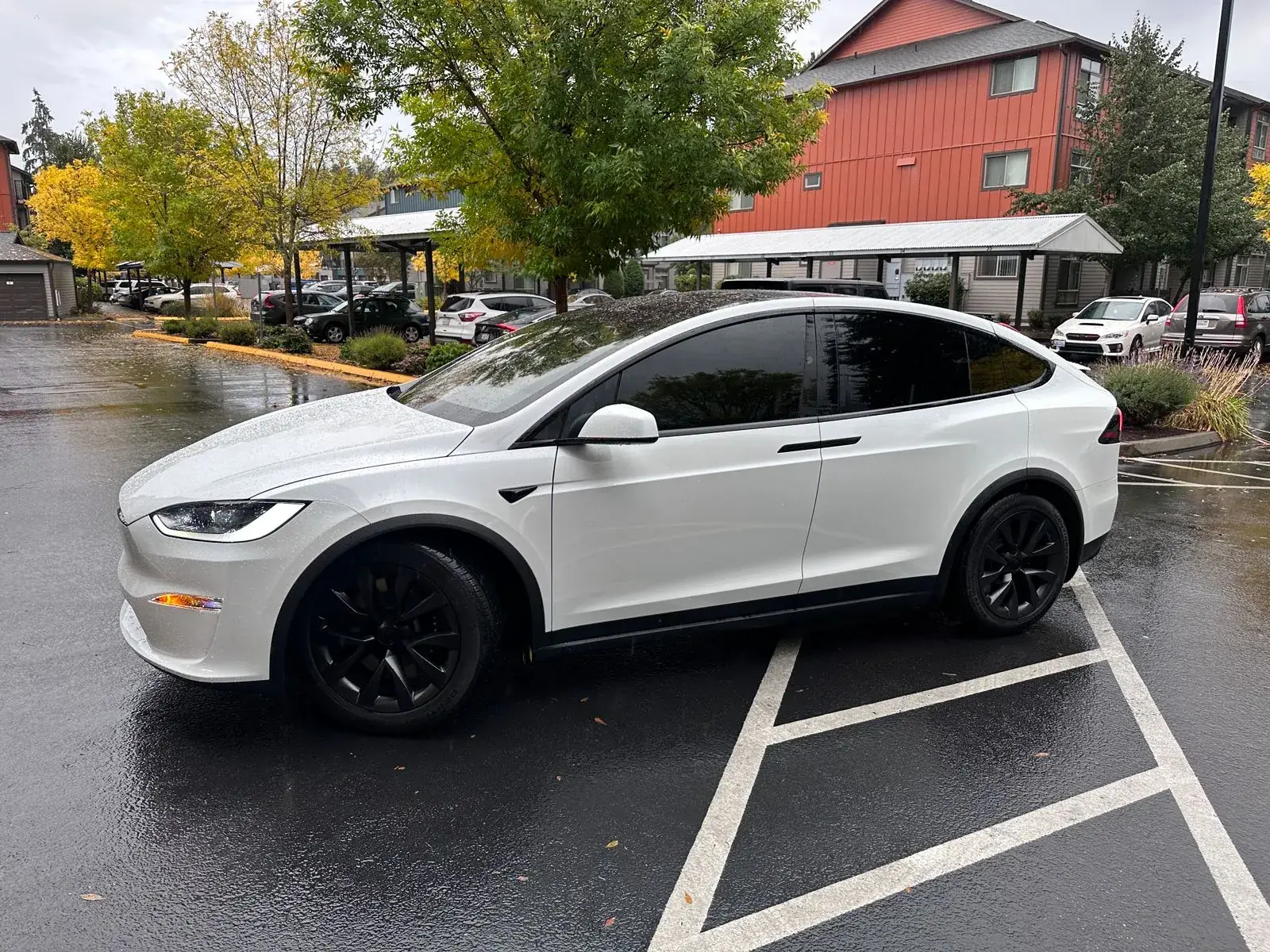
Ceramic vs Dyed vs Metallic Window Tint: Choosing the Right Technology
Compare common automotive window-film constructions by heat control, appearance, signal compatibility and price positioning.
How to Choose Windshield Window Film for Heat Control and Clear Vision
Balance visible light, heat rejection, optical clarity and legal requirements when selecting windshield film.
How Automotive Window Film Heat Rejection Is Tested
Understand why heat-box demos and infrared readings can differ from standardized total solar performance.
Automotive Window Film Care: Cleaning, Curing and Expected Lifespan
Protect a professional tint installation with correct curing, cleaning and inspection practices.

PPF Cutting Software: A Buyer’s Guide for Professional Installers
Evaluate pattern accuracy, editing tools, plotter support, updates and workflow before choosing PPF cutting software.
Window Tint Cutting Software Workflow: From Vehicle Search to Plotter
See how digital window-tint patterns can standardize preparation, reduce hand cutting and improve repeatability.
Using PPF Software with Graphtec, Roland and Summa Plotters
What installers should verify when connecting automotive-film cutting software to common professional plotters.
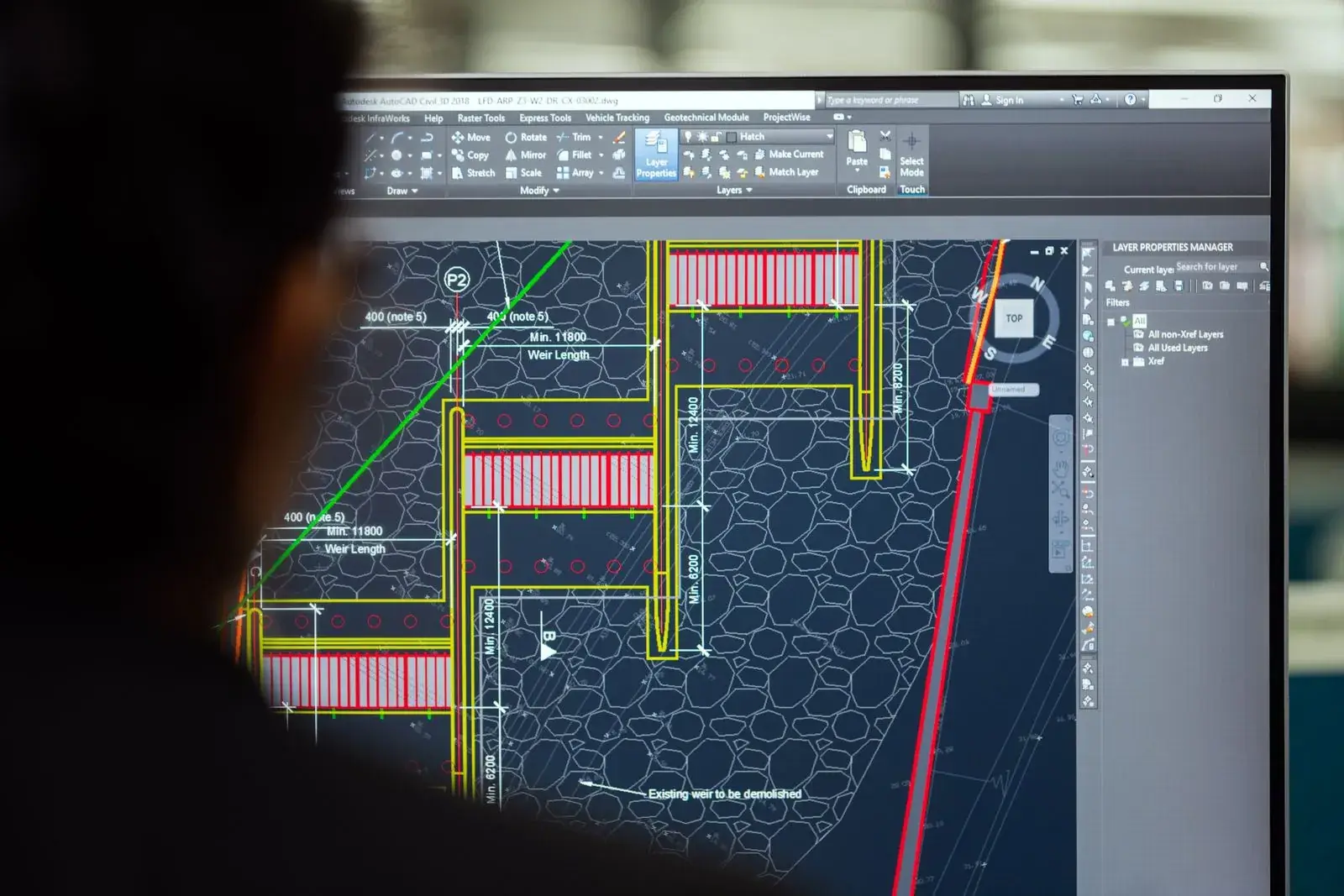
SVG, DXF and PLT: Choosing Vector Formats for PPF and Tint Cutting
Understand common vector output formats and avoid scale, curve and unit problems when moving patterns to a plotter.
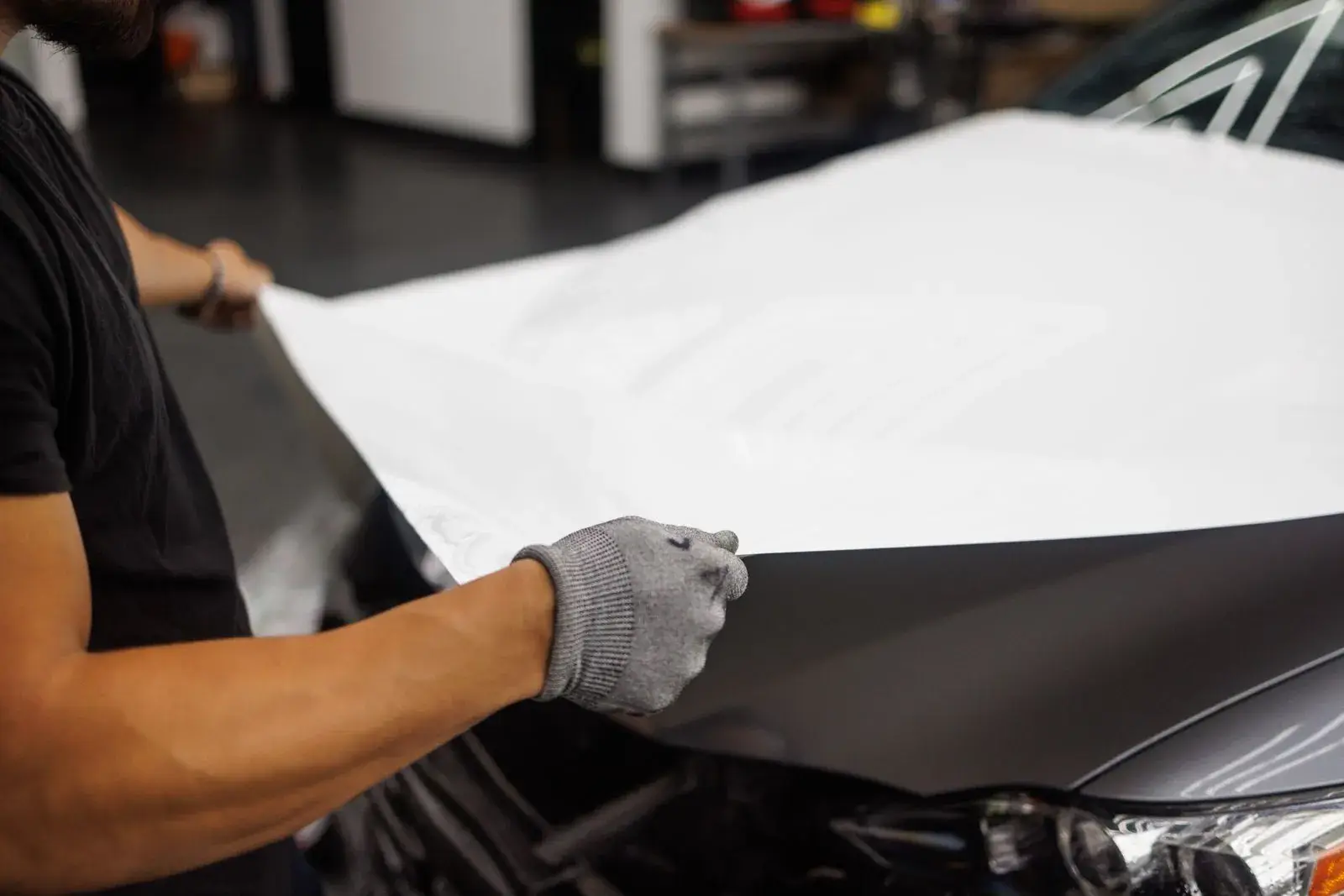
How Pattern Nesting Helps Reduce PPF and Window Film Waste
Use practical nesting rules, roll-width planning and job measurement to improve material utilization without hurting installation quality.