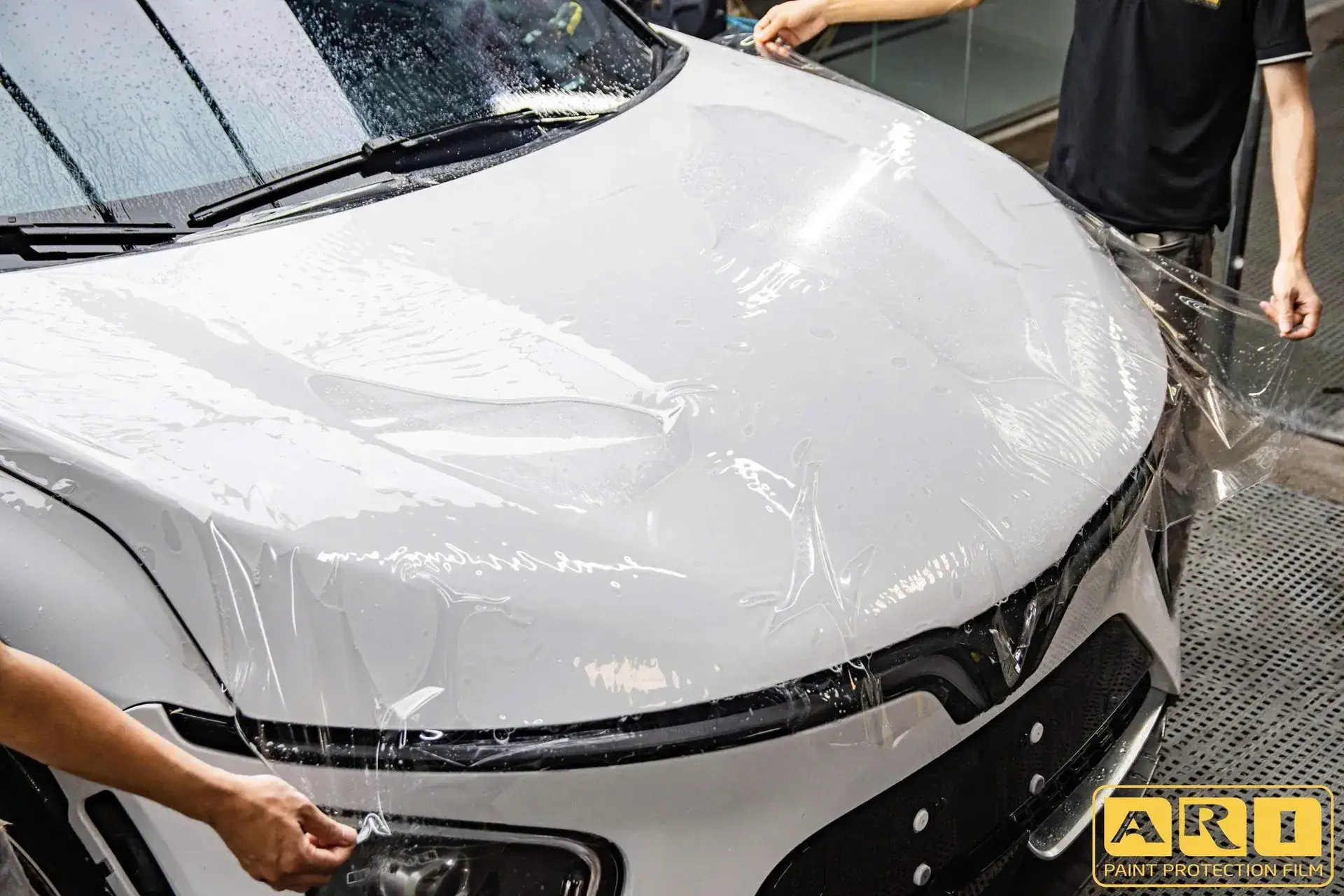
Does PPF turn yellow? It can, but how much depends on the quality of the TPU material, how the car is used, and how the film is maintained. Paint protection film (PPF) made from TPU may show a slight color change after long exposure to sunlight, heat, and dirt, while lower-quality films tend to change color sooner and more noticeably.
You have just had your car wrapped in paint protection film, and then you read that it may yellow over time. For a car that is driven daily in strong sun and high humidity, that worry is completely understandable. This guide explains why TPU can discolor, how to recognize lower-quality material, and how to care for your film to slow the process down.
Why Is PPF Made From TPU Prone to Color Change?
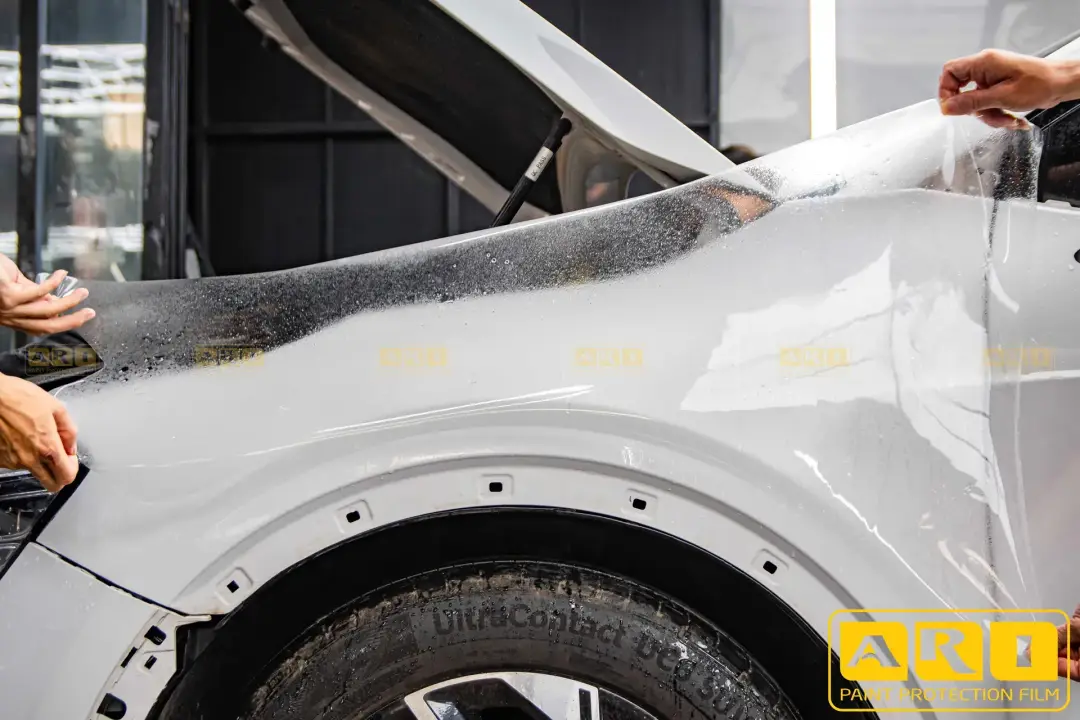
TPU (thermoplastic polyurethane) is the main layer in paint protection film, providing impact resistance, flexibility, and protection for the paint underneath. Over time, exposure to light and heat gradually alters the molecular structure of the material.
This change can cause a slight yellowing, especially on areas that receive the most sun. How much a film discolors depends on its construction, and not every film is built the same way.
What Is TPU and What Role Does It Play in PPF?
TPU is a flexible, durable polymer that gives PPF its stretch and its ability to absorb minor impacts. It is the layer that does the day-to-day work of shielding the paint.
Why Does the Material Gradually Change Color Over Time?
Ultraviolet light and heat slowly break down the additives and polymer chains in the film. As this happens, the material can take on a faint yellow tint, often most visible on horizontal surfaces such as the hood.
Does the Degree of Yellowing Depend on the Film Type?
Yes. Different films use different formulations, coatings, and manufacturing standards, so their resistance to discoloration can vary considerably. Choosing a film built for your conditions makes a real difference.
What Are the Main Causes of PPF Yellowing?
Prolonged ultraviolet exposure from sunlight is the most common cause. When the film is constantly exposed, the additives inside it can degrade, causing the color to shift gradually.
High temperatures and repeated heating and cooling cycles make the material expand and contract again and again. This wears down the surface coating faster, particularly when a car is parked outdoors all day.
Humidity, cleaning chemicals, and salt-laden dust also contribute. A weak coating can hold dirt and absorb chemicals, which can make the film look yellow even when the cause is actually accumulated grime.
How Does Long-Term UV Exposure Affect the Film?
UV rays break down the chemical bonds in the film over time. The more hours a car spends in direct sun, the more likely the film is to show color change.
How Do Heat and Temperature Cycles Contribute?
Repeated expansion and contraction weakens the surface and can accelerate aging. Cars parked outdoors in hot weather experience these cycles far more often than cars kept in a garage.
Can Humidity, Chemicals, and Coating Quality Make a Difference?
They can. Harsh cleaners and humidity-driven residue can stress the coating, while a poorly applied or low-grade coating is less able to resist these factors.
How Can You Recognize High-Quality TPU PPF?
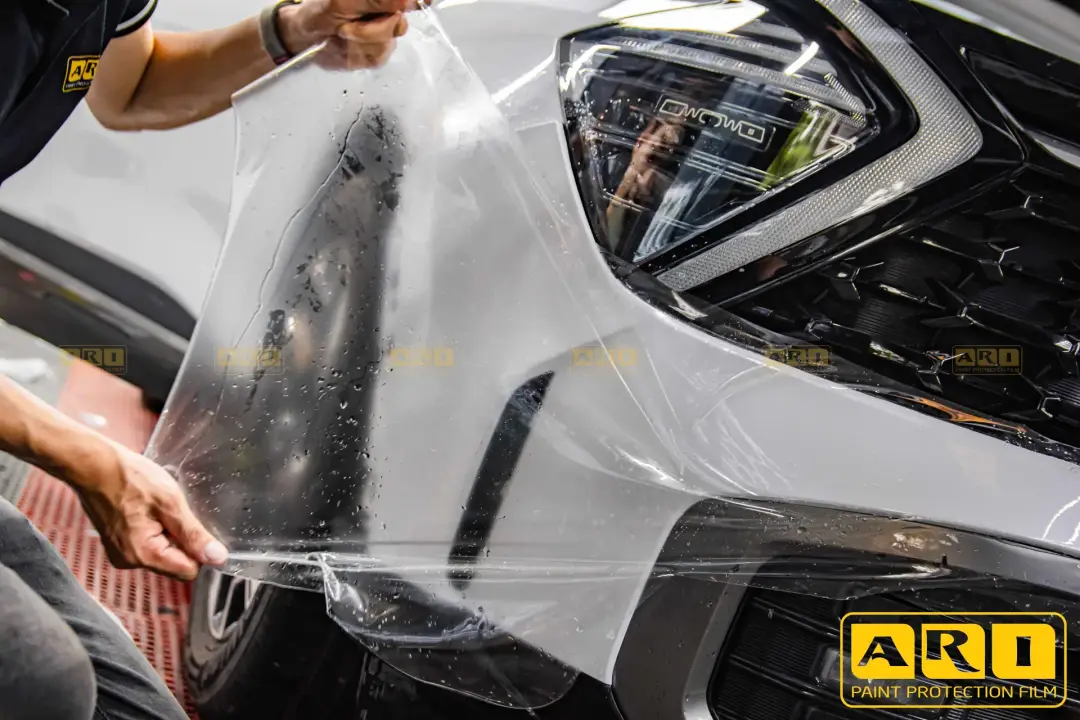
A good-quality film usually shows the following characteristics:
- High clarity and an even surface, with no hazy patches or wavy areas.
- A coating that can self-heal minor scratches when exposed to heat.
- A supplier that is transparent about material origin and technical specifications.
Lower-quality film is often thin and uneven, collects dust more easily, and discolors sooner. When buying, ask clearly about the material's origin and get specific guidance, rather than choosing based on price alone.
How Important Are Clarity and Surface Uniformity?
Clarity and uniformity are early indicators of quality. A film that looks clean and even when first installed is generally a better starting point than one with visible haze or thickness variation.
What Should You Look for in Coating Quality and Self-Healing?
Look for a coating that can recover from light surface marks when warmed. Ask the installer how the coating performs and what it is designed to resist.
Why Does Supplier Transparency Matter?
A reputable supplier will be willing to explain where the material comes from and share its technical information. Vague answers are a reason to look elsewhere.
How Does Vietnam's Hot and Humid Climate Affect Color Durability?
Vietnam has strong sunshine for much of the year, and intense radiation is one reason PPF may discolor faster than in some other regions. Cars that are driven often and parked outdoors face even more exposure.
High humidity and dust or salt in some areas can leave residue that builds up on the film. Choosing material suited to your driving conditions and maintaining the film regularly are both important.
How Does Intense Sun and Radiation Affect the Film?
Strong sunlight throughout the year keeps UV exposure high, which can speed up color change. Parking in shade whenever possible helps reduce this effect.
What Happens When Humidity and Dust or Salt Build Up?
Residue left on the surface can hold moisture and grime against the film. Rinsing regularly helps prevent this buildup from becoming a long-term problem.
Why Do Frequently Driven Cars Show Color Change More Quickly?
Cars that spend many hours on the road are exposed to more sun, heat, and road contaminants. Consistent care matters more for these vehicles.
What Is the Right Installation Process and Waiting Period?
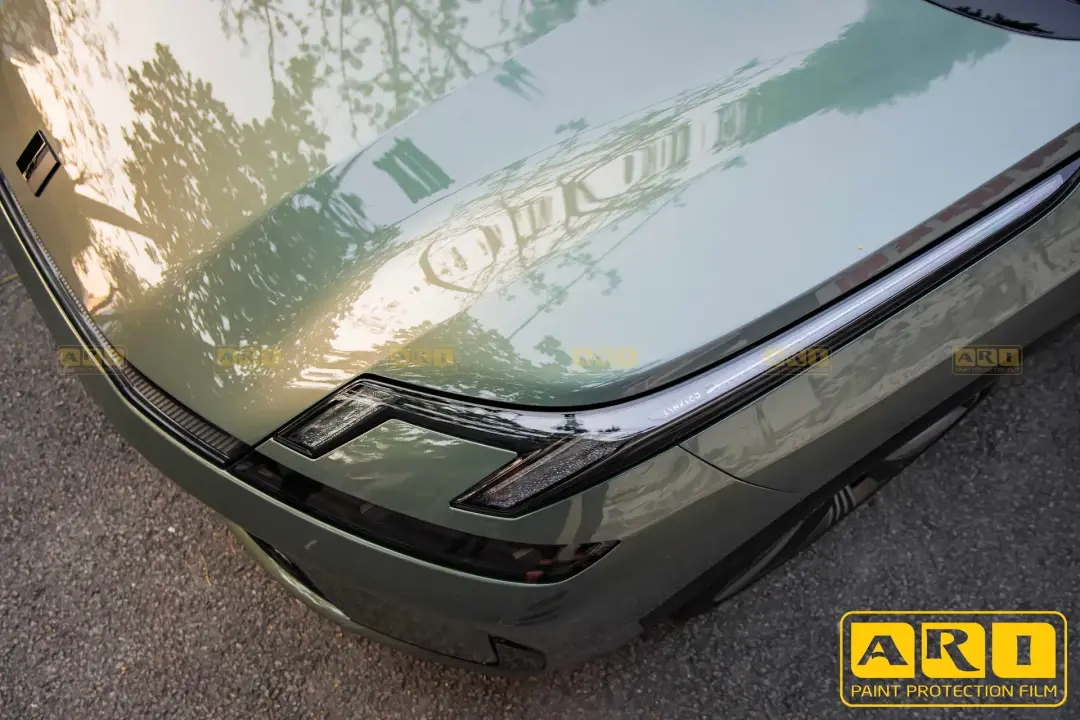
Proper installation sets the foundation for long-term performance. The film should be applied to a clean, prepared surface and allowed to settle before the car is washed.
How Should the Paint Surface Be Prepared Before Installation?
The paint must be thoroughly cleaned and free of contaminants before the film is applied. Good preparation helps the film bond evenly and reduces the risk of trapped debris.
How Long Should You Wait Before Washing the Car?
Give the film enough time to stabilize after installation, following the timeframe your installer recommends. Washing too early can disturb the film while it is still settling.
Why Does an Experienced Installer Matter?
An experienced technician knows how to prepare the surface, handle the film, and advise on aftercare for your specific vehicle and climate. This expertise supports better results over time.
What Habits Help Reduce Yellowing and Keep PPF Looking Its Best?
Good everyday habits make a noticeable difference in how well the film keeps its color. Gentle washing, careful product choice, and smart parking all help.
How Should You Wash the Car Without Damaging the Film?
Use clean water and a pH-neutral car wash soap, and avoid scrubbing hard with rough materials that can mark the surface.
Which Cleaning Products Should You Avoid?
Avoid harsh or corrosive chemical cleaners, as they can stress the coating and contribute to discoloration. Stick to products recommended for use on paint protection film.
When Should You Park in the Shade?
Whenever possible, park in shaded or covered spots to reduce UV exposure and temperature swings. This is one of the simplest ways to protect the film's color over time.
What Role Does ARI PPF Play in Maintaining Film Color?
ARI PPF can help you choose material suited to your car's conditions and provide guidance on aftercare once installation is complete. Good advice at the start makes long-term care easier.
How Can ARI PPF Help You Choose the Right Material?
ARI PPF can discuss your driving habits, parking conditions, and local climate to recommend a film that fits your needs.
What Aftercare Guidance Does ARI PPF Provide After Installation?
ARI PPF can explain washing routines, waiting periods, and cleaning practices so you know how to care for your film after installation.
See more: PPF Care Guide: Prevent Yellowing and Stains
Frequently Asked Questions
Does PPF turn yellow?
PPF can show a slight yellow tint over time, especially after long sun exposure and when it is not maintained properly. How much it changes depends on the TPU quality, how the car is used, and the owner's care habits, so it does not happen the same way for every vehicle.
What causes PPF to yellow?
The main causes include long-term UV exposure, high heat and repeated temperature cycles, humidity, and cleaning chemicals. Dirt and residue on the coating can also make the film look more yellow than it really is.
How can you tell high-quality TPU PPF from film that yellows easily?
Check clarity, surface uniformity, and coating quality. Ask the supplier about the material's origin and technical information, and avoid choosing a film based on price alone.
How does Vietnam's hot and humid climate affect PPF color durability?
Strong sunlight, intense radiation, and high humidity can make the film discolor and collect grime more readily. Choosing material suited to your conditions and maintaining the film regularly can reduce these effects.
How should you clean and maintain PPF to limit yellowing?
Wash the car with a pH-neutral soap, avoid harsh scrubbing and corrosive chemicals, and park in the shade when you can. Follow the recommended waiting period before washing after installation.
If you are considering PPF or already have it, contact ARI PPF for advice on choosing the right film and caring for it so it suits your car and your driving conditions.