Two cars can look almost identical, yet one cabin stays noticeably cooler on a hot afternoon. Often the difference comes down to the type of window film. So, which car window film type is best? In short, ceramic films usually reject the most heat of the three main types, carbon films sit in the middle, and dyed films offer the least heat rejection. The right choice still depends on your climate, budget and how you plan to use the car.
Many drivers pick a film only for its price or its dark look, then feel disappointed when the cabin still heats up quickly and the interior starts to fade. This guide explains the three film groups, how to read TSER, IRR and UV figures, and how to choose a film that suits driving conditions in Vietnam.
How Do Dyed, Carbon and Ceramic Films Differ?
The three film groups differ mainly in how they handle solar heat. Dyed films absorb part of the visible light, but much of the heat energy still passes through the glass. They are the easiest to install and usually the least expensive option. If you are comparing options for your windows, it helps to check which group a product belongs to before looking at price.
Carbon films contain carbon particles that block more infrared energy, so the cabin often feels noticeably cooler than with a dyed film. Ceramic films use ceramic particles that are effective at blocking infrared heat, and they can feel cool even when the tint is fairly light.
Should You Prioritise TSER, IRR or UV?
These three figures measure different things. TSER indicates the total solar energy rejected, which reflects how well the film keeps the cabin cool overall. IRR shows how much infrared radiation the film blocks, and infrared is a major source of heat. UV shows how much ultraviolet light is blocked, which relates to protecting the interior and your skin.
In a hot, humid climate such as Vietnam's, TSER and IRR should generally come first, since they most directly affect how cool the cabin feels. UV protection still matters, and most good-quality films already offer a high level, so it is rarely the main factor that sets one product apart.
What Film Should You Choose for Your Budget?
If your budget is limited and your main goal is appearance and reduced glare, a dyed film can be a reasonable choice. Mid-range budgets often point toward carbon films, which balance heat rejection and cost. If cooling performance is the priority and you can invest more, a ceramic film is worth considering.
Exact prices vary by brand, product line and vehicle size, so it is best to ask for a quote based on your specific car, since the best car window film type for you depends on those same factors.
What Is the Legal VLT Limit in Vietnam?
VLT is the percentage of visible light that passes through the glass, and window film installation must comply with the tint rules in Vietnam. The specific limits should be checked against the legal documents currently in force, as regulations can change over time.
Before installing, verify the rules carefully to avoid a violation. Windscreens and front side windows need particular attention, because the permitted limits are usually stricter than for rear windows.
How Do You Check a Film's Spec Sheet Before Buying?
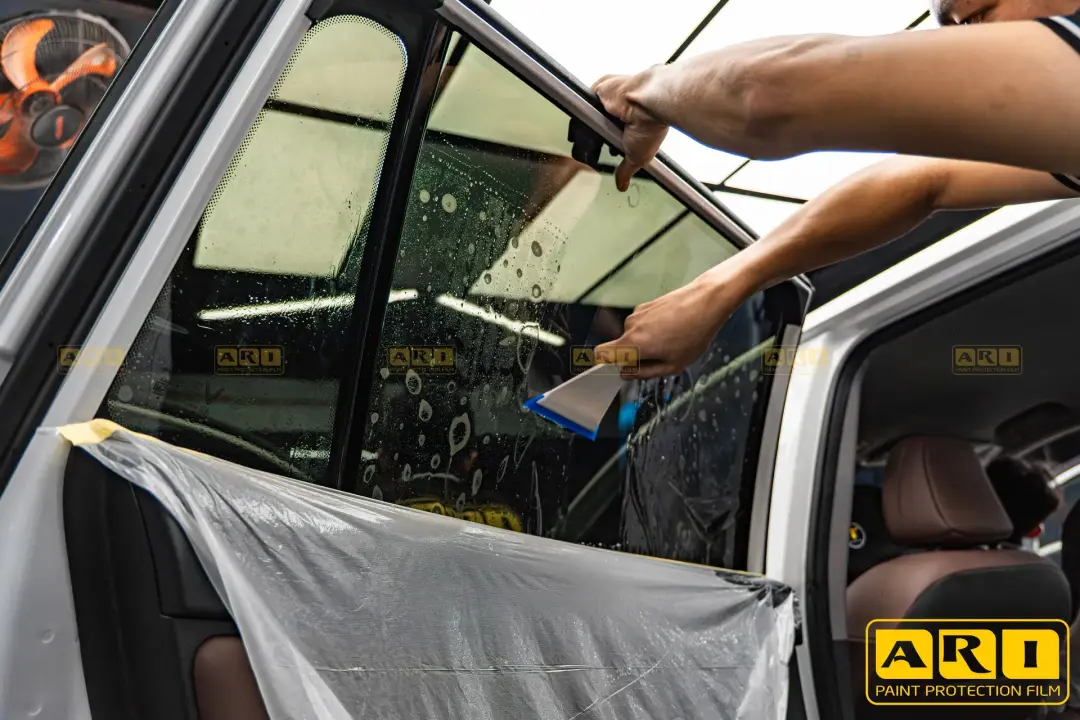
When you receive a spec sheet, check all four figures: TSER, IRR, UV and VLT. Compare each number with the sample film on display rather than relying only on the sales pitch.
Ask the supplier about product certification and the warranty policy, including its duration and conditions. A clear spec sheet backed by certification is a more reliable sign than verbal promises.
See more: Carbon and Ceramic Window Tint: Pros and Cons Compared
Frequently Asked Questions
How do ceramic, carbon and dyed films differ in heat rejection?
Ceramic films reject the most heat of the three groups because they block infrared energy well. Carbon films offer moderate-to-good heat rejection, while dyed films mainly reduce glare and provide lower heat rejection. Actual performance varies between specific products.
Which figure should you prioritise in a hot, humid climate: TSER, IRR or UV?
TSER and IRR should usually come first, since they relate directly to how cool the cabin feels. UV remains important for protecting the interior and skin, but most quality films already perform well on it.
How much should you budget for each type of film?
A limited budget generally suits a dyed film, a mid-range budget often suits carbon, and a higher budget makes ceramic worth considering. Request a quote for your specific vehicle and film type to get accurate pricing.
What is the legal VLT limit for window film in Vietnam?
The permitted VLT should be confirmed against the legal documents currently in force, since regulations can change. Windscreens and front side windows often have stricter requirements, so check the latest rules before installation.
How can you check a film's spec sheet before buying?
Confirm TSER, IRR, UV and VLT on the sheet, then compare them with the sample on display. Ask about certification and the warranty terms as well. A clear, documented spec sheet is a good sign that the product is trustworthy.
No single film is the best for every vehicle. Consider your climate, budget and local VLT rules, and read the spec sheet carefully before you decide. Bring your spec sheet to ARI PPF for advice on the film that suits your car.