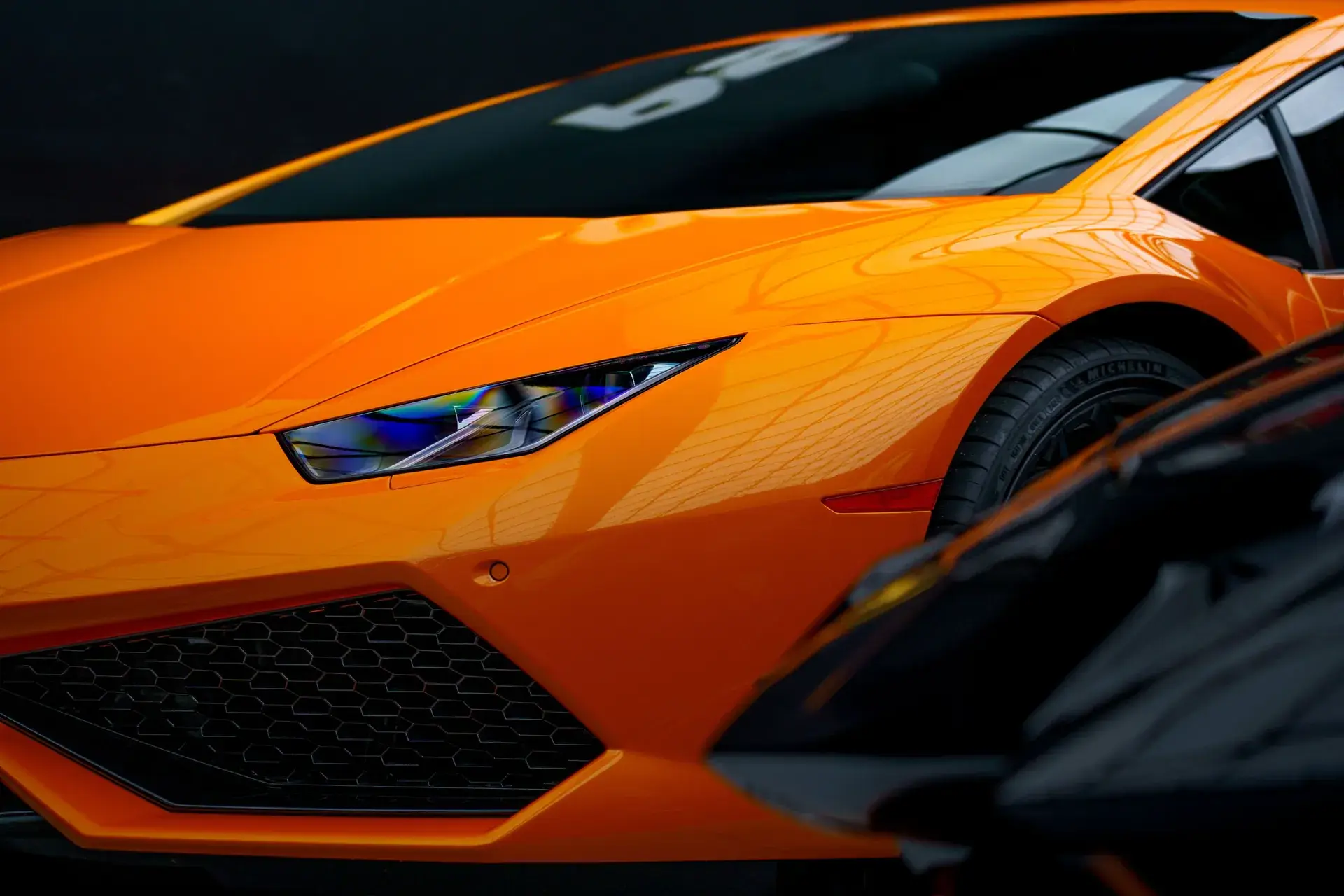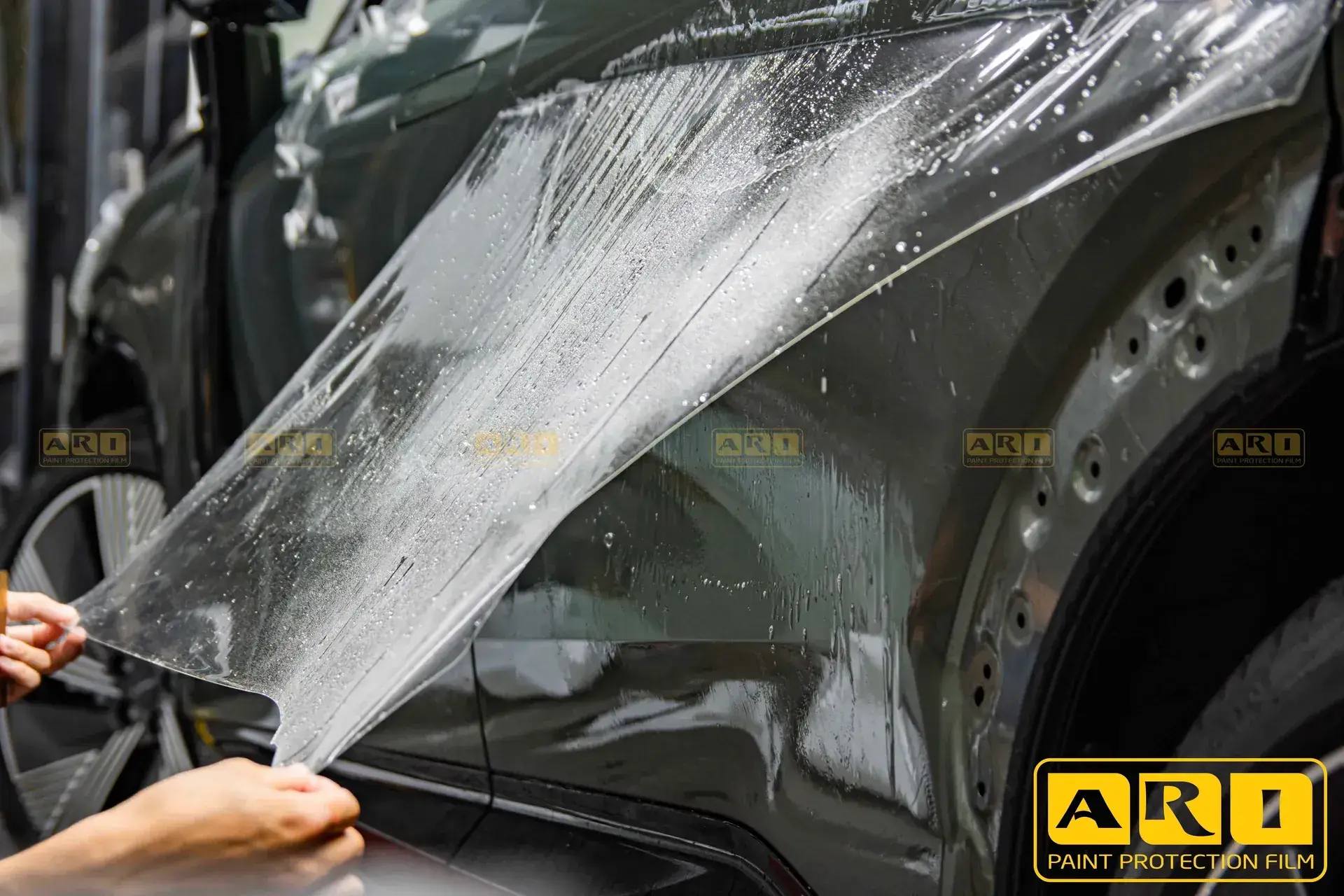
Does paint protection film (PPF) peel? It can, and edge lifting is one of the most common problems owners notice after installation. A small corner that starts to curl up after a few months is often the first sign. The good news is that most cases can be caught early if you check the film regularly.
After a few months, the edge of the film on your car may lift slightly, and many owners have no idea what is causing it. Once the edge lifts, the film stops protecting the paint, and water and dust can creep underneath. If you leave it too long, that section often has to be removed and reapplied, which is why it pays to act quickly. This guide explains the difference between material, installation and owner-related faults, shows you how to spot early edge lifting, and clarifies when you can handle it yourself and when you need a professional.
Is PPF Edge Lifting Caused by Material, Installation or Maintenance?
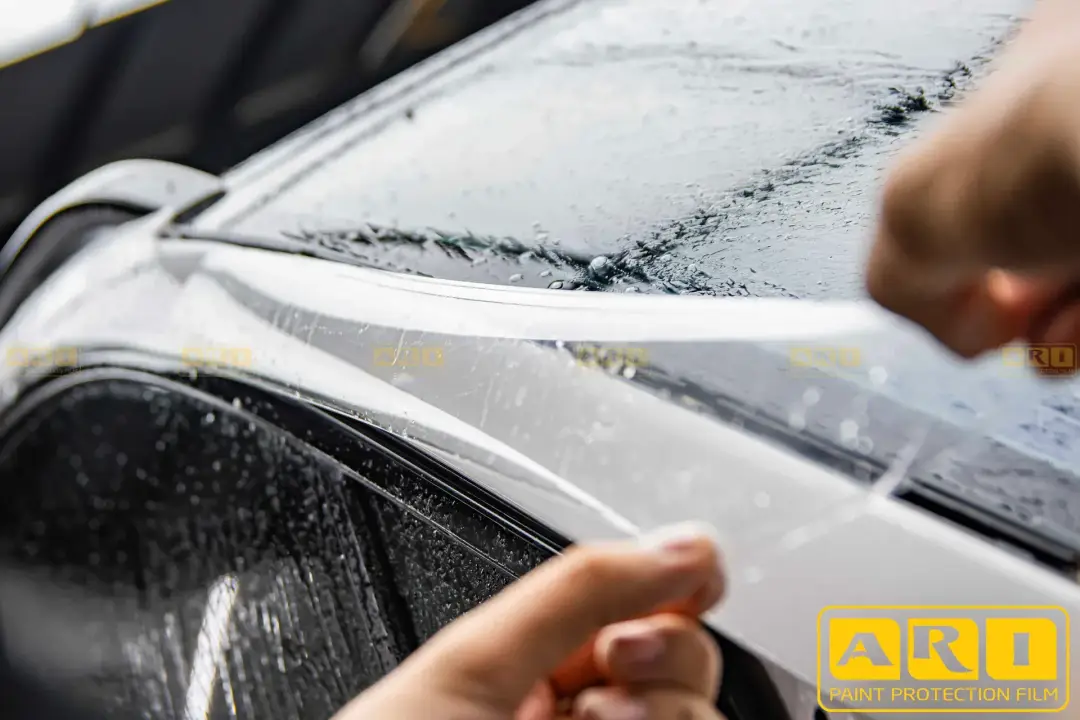
Edge lifting rarely comes down to a single cause. The quality of the film and adhesive sets the foundation, but how the surface was prepared and how the car is washed determine whether edge lifting ever starts or whether PPF for cars stays bonded for years.
Material and adhesive faults
Low-quality film and adhesive can lose their grip after prolonged exposure to sun and heat, leaving PPF peeling at the edges. This is hard to check at the time of purchase, so it is worth choosing an installer who can clearly explain where their materials come from.
Installation faults: incomplete surface preparation
Oil, wax or dust left on the paint prevents the adhesive from bonding evenly. Corners and curved areas are usually the first places where this shows up.
Owner faults: incorrect washing and rubbing
Dry wiping, using a coarse cloth or washing the car the wrong way can gradually peel the edges back. This is a cause that owners can control.
What Causes the Edges of PPF to Lift?
High-pressure washing close to the edges
A strong jet of water aimed directly at the film edge can work its way underneath and slowly lift the adhesive. Keep a safe distance and angle when rinsing your car.
Rubbing and harsh cleaning chemicals
Strong cleaning solutions and stiff brushes can wear away the adhesive along the edges. A pH-neutral cleaner and a soft microfibre cloth are a safer choice.
Ambient temperature and intense sun
High temperatures soften and expand the adhesive, particularly in areas exposed to direct sunlight for long periods. This makes the edges more likely to lift when they are disturbed.
How Can You Tell If PPF Edges Are Starting to Peel?
Slightly raised corners and edges
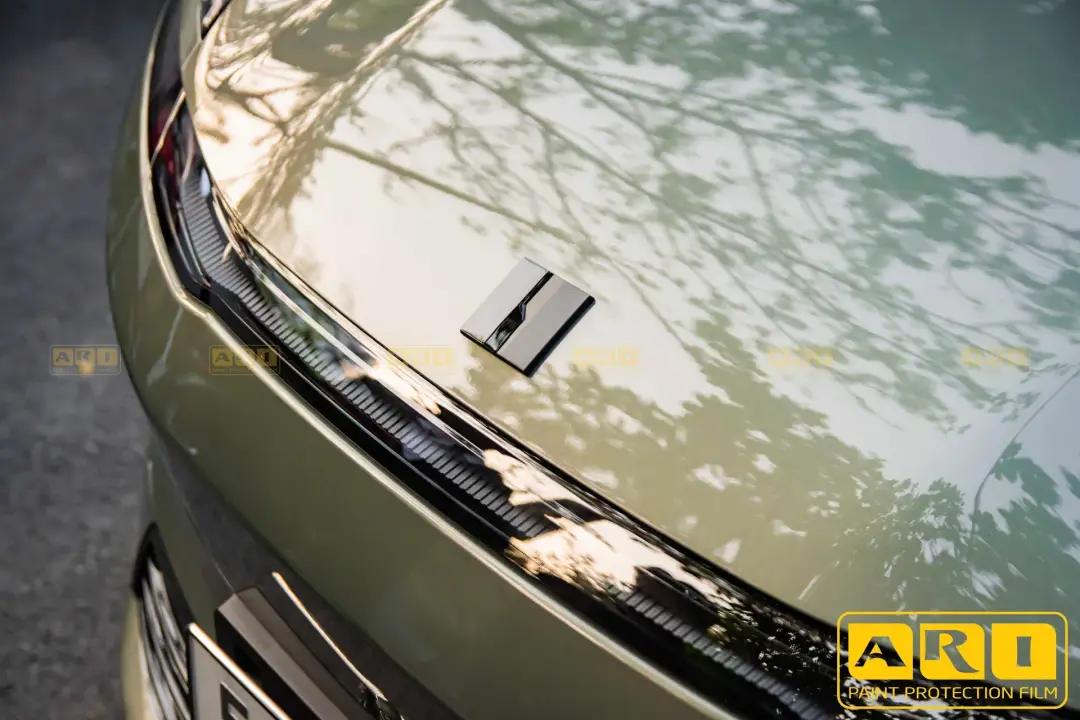
The earliest sign is an edge that feels slightly raised or shows a faint bright line. Run a fingertip gently along the edge to check for any lift.
Curved areas and wind-exposed spots
Curved parts such as mirrors, bumpers and the bonnet edge often start to lift first. Inspecting these areas each time you wash the car can help you catch problems early.
Water or dust trapped under the film
If you see water droplets or specks of dust beneath the film, the edge has already opened up. Address it before moisture works its way further in.
When Should You Fix Lifting PPF Edges Right Away?
Small lifts before water gets in
When an edge has only lifted slightly and no moisture has got underneath, early action is usually simpler. This is the right time to take a closer look.
Gradual spread across wet and dry seasons
Alternating hot and humid weather can cause the edge to widen bit by bit. A small lift can grow into a much larger area within a single season.
Waiting too long can mean reapplying the panel
Once dust and water have worked their way in deeply, repairs become harder and the whole panel may need to be reapplied. The longer you wait, the more time and effort it will take.
Can You Fix Lifting PPF Edges Yourself at Home?
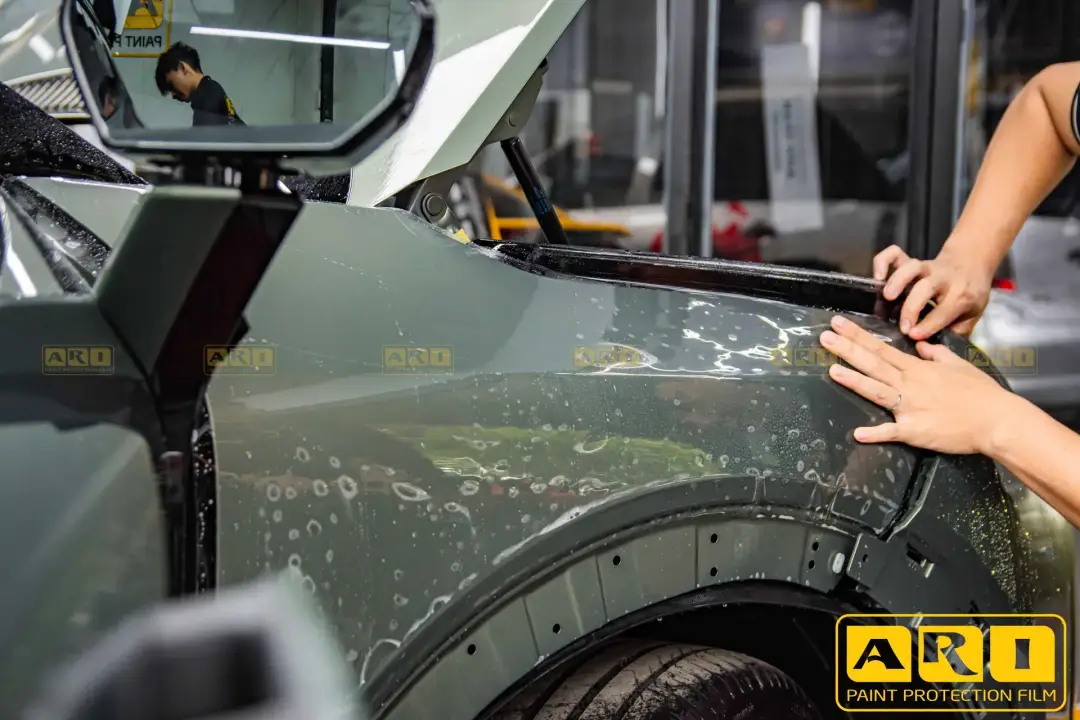
What owners can safely do themselves
You can rinse gently, dry the car and keep an eye on the edges. Avoid sharp tools or strong chemicals to pry up the film.
The limits of DIY repairs
Trying to peel back or reapply the film yourself can easily leave air bubbles, creases or trapped dust underneath. This affects both the appearance and the level of protection.
When to call an experienced installer
Contact an installer when the lifted area is large, there is water under the film or the film has started to bubble. An experienced installer can judge whether a local repair is enough or whether the panel needs to be reapplied.
Does Reapplying Part of PPF Affect the Rest of the Film?
Impact on the seamless look of the film
Reapplying a section can leave a faint seam, especially if the colour or gloss does not match perfectly. A skilled installer will position the join in a less visible spot.
Effect on the surrounding film
Removing and reapplying a section can slightly disturb the film beside it. For this reason, the whole area should be checked after the work is completed.
How to reduce the risks when reapplying
Thorough surface preparation, dry weather and allowing the adhesive enough time to cure all help reduce the risk of problems. Results depend on real-world conditions, so an outcome cannot be promised.
See more: Does PPF Turn Yellow? Causes and How to Prevent It
Frequently Asked Questions
Is PPF edge lifting caused by material, installation or owner maintenance?
Edge lifting is usually the result of several factors at once. Material quality and installation set the foundation, while how the owner washes and rubs the car determines how well the edges hold over time.
How can you spot PPF edges that are about to lift before the problem spreads?
Check the edges by gently running a fingertip along them and look for faint bright lines or any slight raised feeling. Pay particular attention to curved areas such as mirrors and bumpers, where lifting tends to start first.
Can you fix lifting PPF at home, and when should you call an installer?
You can rinse gently and keep an eye on the film, but you should not try to peel back or reapply it yourself. Call an installer when the lifted area is large, water is trapped underneath or the film has started to bubble.
Does reapplying part of lifted PPF affect the protection on the rest of the film?
It can cause a slight effect on the join and the edges next to the repair. If the installer prepares the surface carefully and checks the whole area afterwards, the surrounding film can still do its job.
If you notice an edge lifting, the next step is to book a check with an experienced installer, and you can find more information at ARI PPF. Acting early is the simplest way to keep a small problem from becoming a larger one.