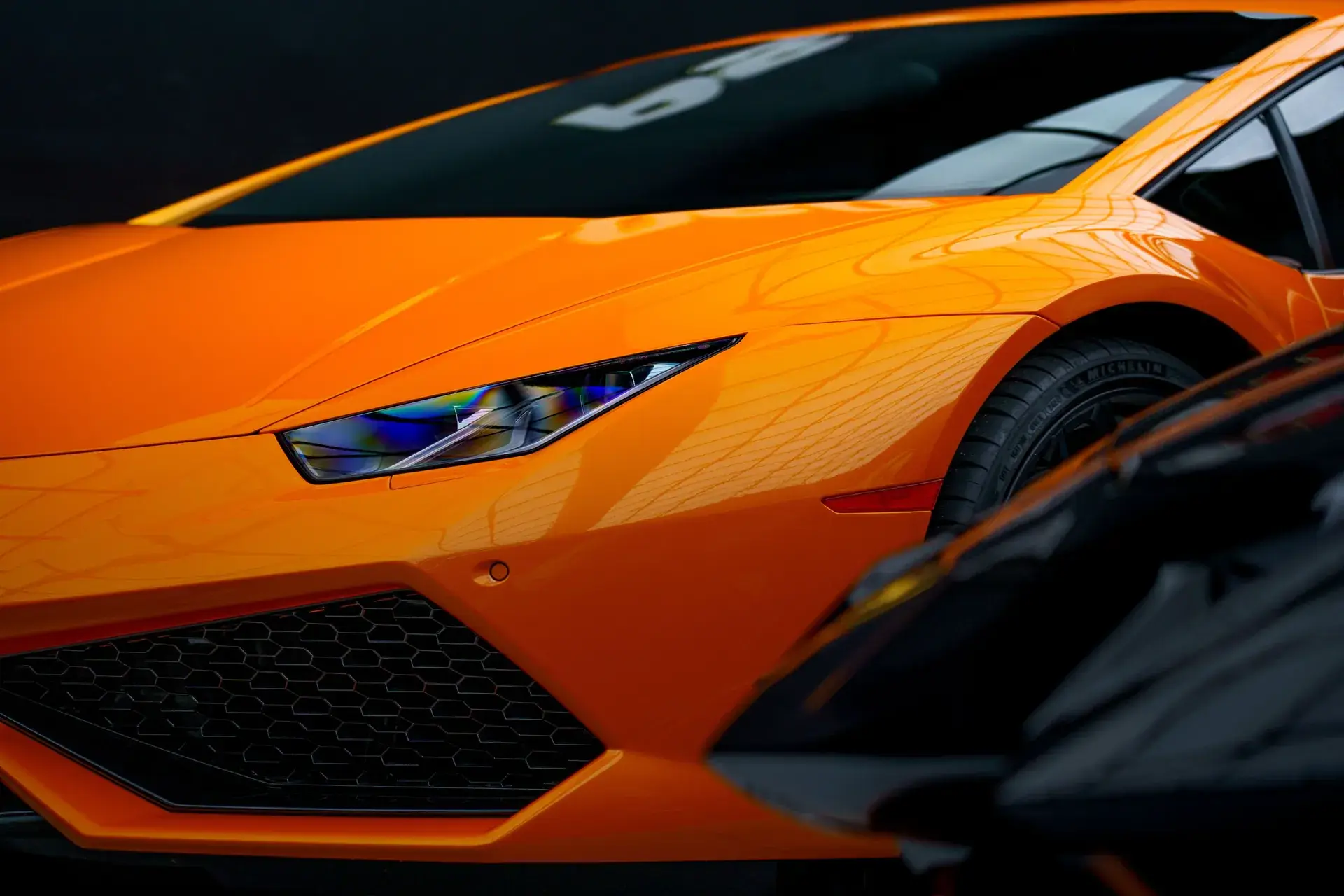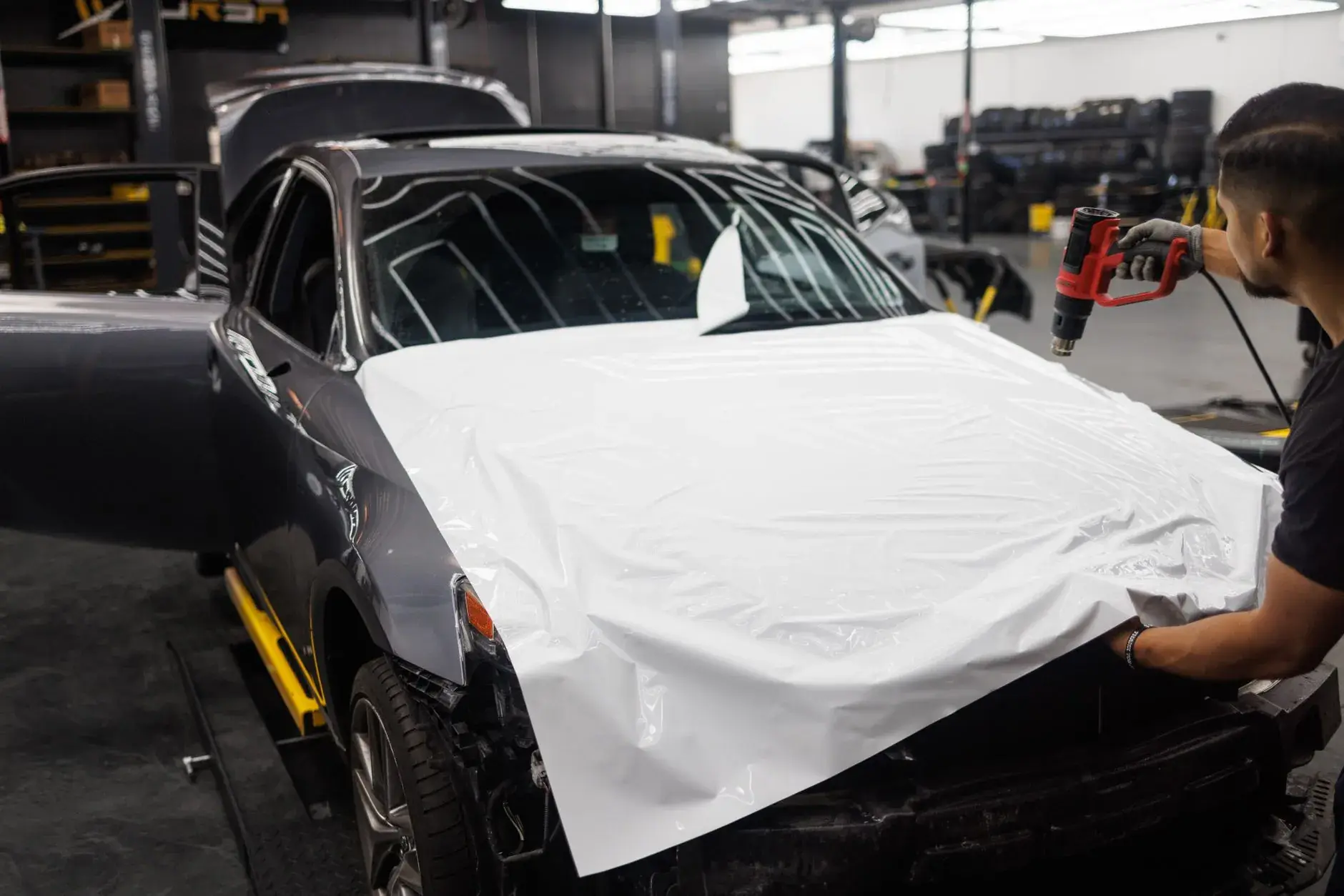
Deciding whether you should choose color PPF or color change wrap products is a common dilemma for car owners. While standard vinyl wraps provide a quick aesthetic change, a high-quality paint protection film (PPF) offers a more robust solution for those seeking both style and surface security. Using advanced TPU material, color PPF acts as a durable shield for the vehicle while transforming its appearance.
What is the core difference between TPU and PVC?
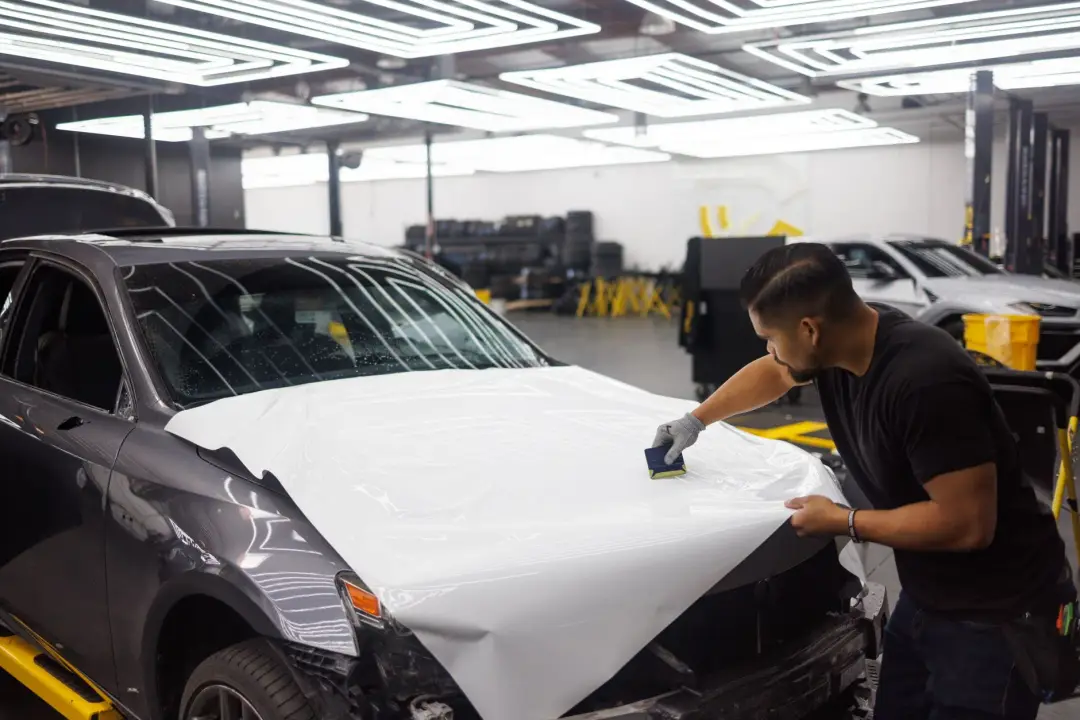
Traditional automotive color change wraps are typically made from PVC (Polyvinyl Chloride). This material is known for having a relatively rigid molecular structure and lower elasticity. Because of these traits, PVC can become brittle over time when exposed to harsh weather conditions. It is not uncommon for older vinyl wraps to show signs of fading or edge peeling after a few seasons.
In contrast, premium color PPF utilizes a TPU (Thermoplastic Polyurethane) membrane. This material is highly flexible and offers excellent resistance against oxidation. The TPU composition helps the film maintain its vibrant color and structural integrity much longer, even in challenging environments. Choosing PVC vinyl wraps might save money initially, but TPU offers superior longevity.
Nature of PVC in standard color change wraps
PVC is a cost-effective plastic that provides a wide variety of colors and finishes. However, its lack of flexibility means it cannot absorb impacts well. Over time, UV exposure can cause the plasticizers in PVC to migrate, leading to a hardened surface that is prone to cracking.
Advantages of TPU material in color PPF
TPU is a high-performance elastomer that combines the best properties of plastic and rubber. It is naturally transparent, tough, and resistant to oils and chemicals. This makes it an ideal base for films that need to protect a car while looking like a factory paint job.
Durability and oxidation resistance of each material
TPU films are designed to withstand the yellowing effects of UV radiation far better than PVC. While a vinyl wrap might start to lose its luster within a couple of years, TPU-based films remain stable. This resistance to environmental stress ensures the vehicle looks maintained for a longer period.
How do they handle rock chips and physical impacts?
Thickness is a major factor in how well a film protects the underlying surface from external forces. Color PPF is significantly thicker than standard decorative vinyl wraps. Its multi-layer construction acts as a cushion that helps absorb and dissipate the energy from small stones or road debris.
The high elasticity of TPU allows the film to stretch and return to its shape, which helps prevent punctures. Vinyl wraps are much thinner and can tear easily when struck by sharp objects. This means that while a wrap changes the color, it offers very limited defense against actual physical damage.
Superior thickness helps minimize external force impacts
The added layers in PPF provide a physical barrier that vinyl simply cannot match. This thickness is engineered to take the brunt of road hazards, keeping the original clear coat untouched. It serves as a sacrificial layer that preserves the metal and plastic panels underneath.
Elasticity assists in preventing scratches from road debris
When a small rock hits a TPU surface, the material flexes to absorb the hit. This "bounce-back" effect is what prevents the debris from reaching the paint. Vinyl lacks this elastic property, often resulting in a chip that goes straight through to the car's body.
Protection limits of thin wraps against collisions
It is important to remember that vinyl wraps are primarily aesthetic products. They can protect against very light abrasions and bird droppings, but they fail quickly against heavier impacts. For those who drive frequently on highways, the protection provided by wraps is often insufficient.
Can these films self-heal and improve color depth?
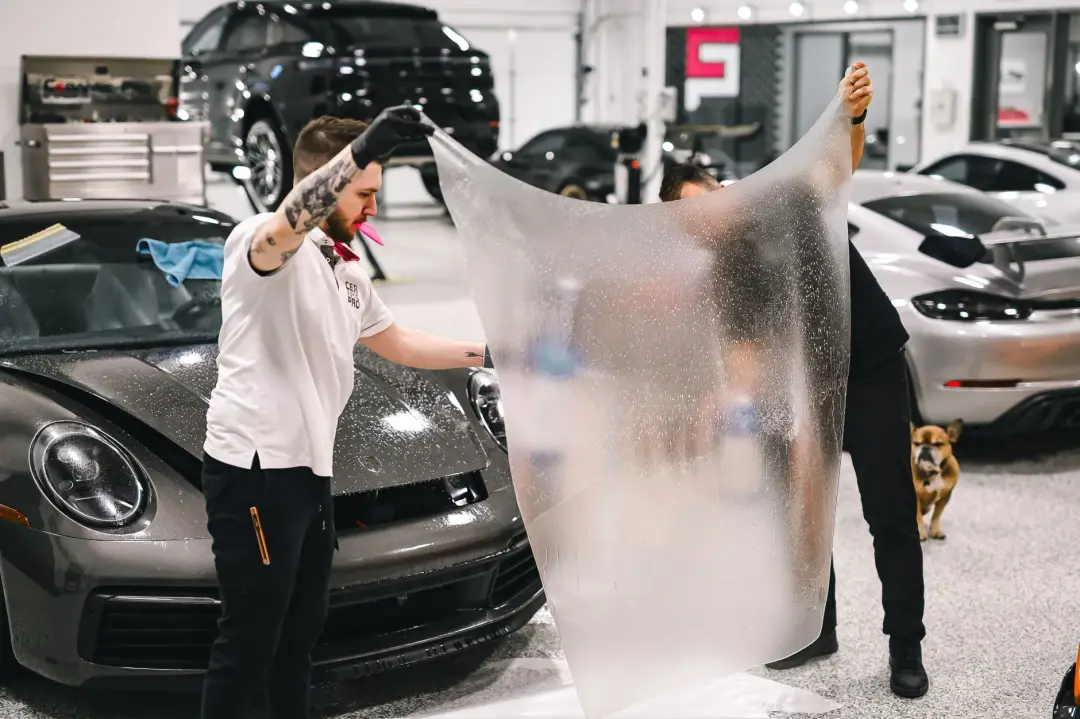
One of the most impressive features of TPU-based films is their ability to self-heal. When exposed to heat from the sun or warm water, the TPU molecules can rearrange themselves. This process helps to close up fine surface scratches and swirl marks, keeping the car looking fresh without constant polishing.
Aesthetically, color PPF provides a deep gloss and helps reduce the "orange peel" texture often seen on factory paint or vinyl. Vinyl wraps can sometimes have a slight orange peel texture of their own, which can dull the overall reflection. The clarity of the TPU top coat ensures the color looks more like a high-end paint finish.
Heat helps TPU membranes heal minor surface scratches
The self-healing top coat is a specialized layer that reacts to thermal energy. By simply parking the car in the sun, many light wash marks can disappear on their own. This significantly reduces the maintenance required to keep a dark-colored vehicle looking pristine.
Gloss levels and orange peel reduction on film
High-quality PPF is engineered to be extremely smooth, which enhances the light reflection on the vehicle's body. This smoothness helps mask minor imperfections in the factory paint. The result is a mirror-like finish that is difficult to achieve with traditional thin vinyl films.
Differences in color depth between PPF and wraps
Because PPF is thicker and has a clearer top layer, the pigments underneath appear more vibrant. Vinyl wraps can sometimes look "flat" or plastic-like in certain lighting. PPF mimics the multi-stage paint process, providing a rich depth that enhances the vehicle's curves.
| Comparison Criteria | Color Change Wrap (PVC) | Color PPF (TPU) |
|---|---|---|
| Protection Level | Low - mostly for aesthetics | High - resists chips and scratches |
| Self-Healing Property | Not available | Available for minor scratches |
| Color Longevity | Moderate | High |
| Surface Finish | May have slight orange peel | High gloss and smooth depth |
Is the original paint safe during removal?
Color PPF uses specialized adhesives designed to bond securely while remaining safe for the original paint. When it is time to remove or replace the film, it typically peels away cleanly without leaving behind stubborn residue. This ensures that the factory paint remains in the same condition as the day the film was applied.
There is a higher risk with low-quality vinyl wraps if they are left on the car for too many years. The adhesive in PVC wraps can degrade under UV light, becoming brittle or bonding too aggressively to the clear coat. Owners should also be cautious when removing any film from surfaces that have been repainted or repaired poorly.
Specialized adhesive properties protect the original paint surface
The adhesives used in premium films are formulated to be stable over many years. They are designed to resist the "baking" effect caused by high temperatures. This stability is what allows for a safe removal process that preserves the vehicle's resale value.
Risks from low-quality wraps during long-term use
If a wrap is left past its intended lifespan, the adhesive can chemically alter and stain the paint. In extreme cases, the removal process might pull up pieces of the clear coat. Regular inspection and timely replacement are necessary for vinyl wrap users.
Considerations for removing film from repainted surfaces
Film removal is generally safe for factory-cured paint. However, if a panel has been repainted at a body shop, the bond between the new paint and the metal might be weaker. Professional assistance is recommended when stripping film from any surface that is not original.
Which option offers better long-term value?
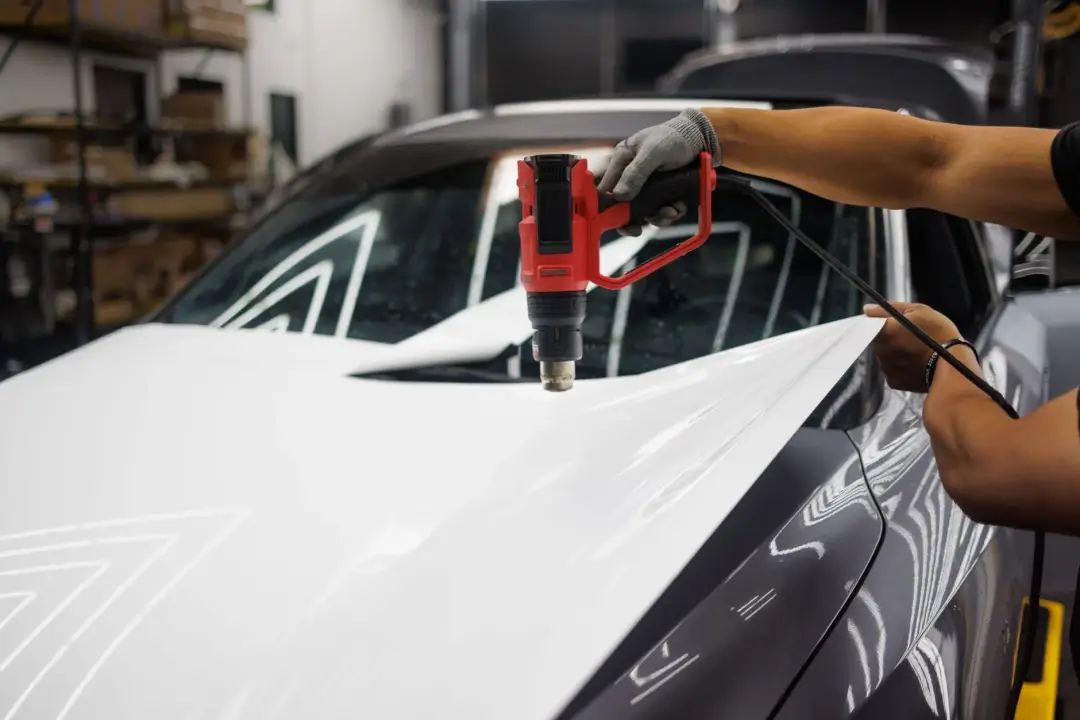
In terms of initial investment, the price of a vinyl wrap is usually lower than color PPF. However, the shorter lifespan of vinyl means it may need to be replaced every two to three years to maintain its appearance. When looking at the total cost over five or more years, PPF often proves to be the more economical choice.
Beyond the cost of the film itself, PPF helps maintain the vehicle's market value. By shielding the original paint from the elements and road debris, the car stays in a condition that buyers find more attractive. For long-term owners, this protection is a vital part of asset management.
Real-world lifespan of color PPF vs traditional wraps
A well-maintained TPU film can last significantly longer than a PVC wrap. While vinyl often shows wear at the edges or fading on the hood and roof, PPF remains resilient. This durability reduces the frequency of shop visits for re-wraps or repairs.
Vehicle resale value and original paint preservation
Used car buyers place a high premium on original, undamaged paint. By using PPF, you are essentially "locking in" the condition of the car. When it comes time to sell, removing the film reveals paint that has been shielded from years of environmental wear.
Choosing a solution based on long-term ownership plans
If you enjoy changing your car's color every year, a vinyl wrap might be the right choice. However, if your goal is to keep the car for a long time while ensuring it stays protected, PPF is the superior path. Your decision should align with how long you intend to keep the vehicle.
Frequently asked questions about PPF and wraps
How does color PPF differ from a standard color change wrap?
Color PPF is made from advanced TPU material, which is much thicker and more durable than the PVC used in standard wraps. While wraps are primarily for changing a car's appearance, PPF provides a functional shield against rock chips and abrasions. Additionally, PPF offers self-healing properties for minor surface scratches that vinyl wraps lack.
Why can leaving a wrap on too long damage the paint?
The adhesives used in many vinyl wraps can undergo chemical changes when exposed to years of UV radiation and heat. This can cause the glue to harden and bond too tightly to the clear coat, making it difficult to remove. If the adhesive becomes brittle, it may cause staining or even pull the paint during removal.
Can color PPF really heal itself from scratches?
The TPU material in PPF has a "memory" effect that allows it to return to its original state when heated. Minor scratches, such as those from car washes or light contact, can disappear when the film is exposed to sunlight or warm water. This feature is limited to surface-level marks and will not fix deep gouges or tears.
Which option should I choose if I plan to keep my car for 5+ years?
For long-term ownership, color PPF is the recommended choice due to its superior durability and paint protection. Vinyl wraps tend to degrade, fade, or peel much faster than TPU films. Investing in PPF ensures that your car's exterior remains protected and looks high-quality throughout your entire period of ownership.
Is the cost of color PPF significantly higher than a wrap?
The initial cost for color PPF is higher because the material is more expensive to produce and requires more skill to install. However, because it lasts much longer and provides actual protection against damage, it is often more cost-effective over time. You save money by avoiding frequent wrap replacements and potential paint repairs.
Choosing between color PPF and a wrap depends on whether you prioritize short-term savings or long-term protection. To ensure the best results, always work with professional installers and use high-quality film brands. Contact ARI PPF today to find the right protection solution for your specific needs.