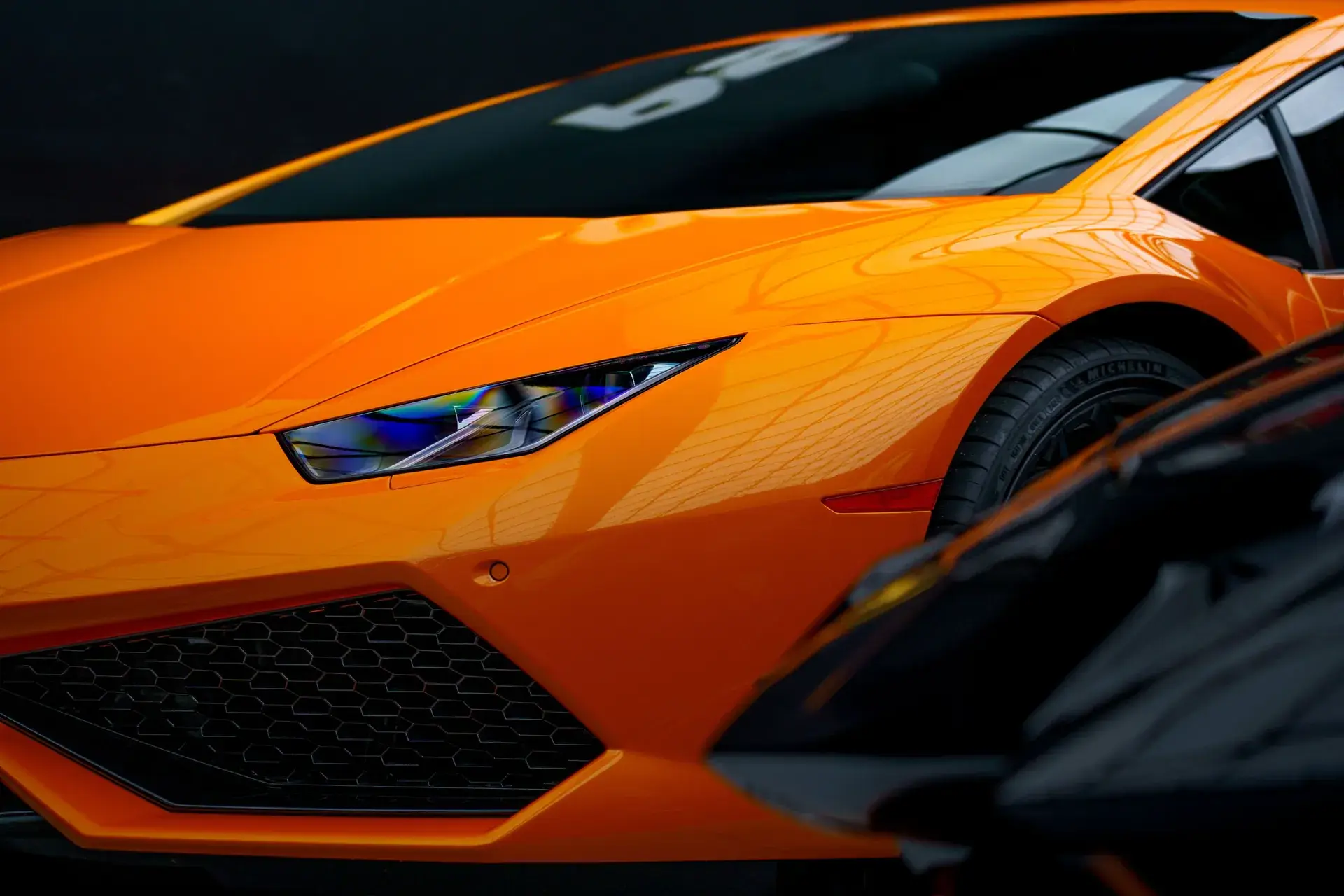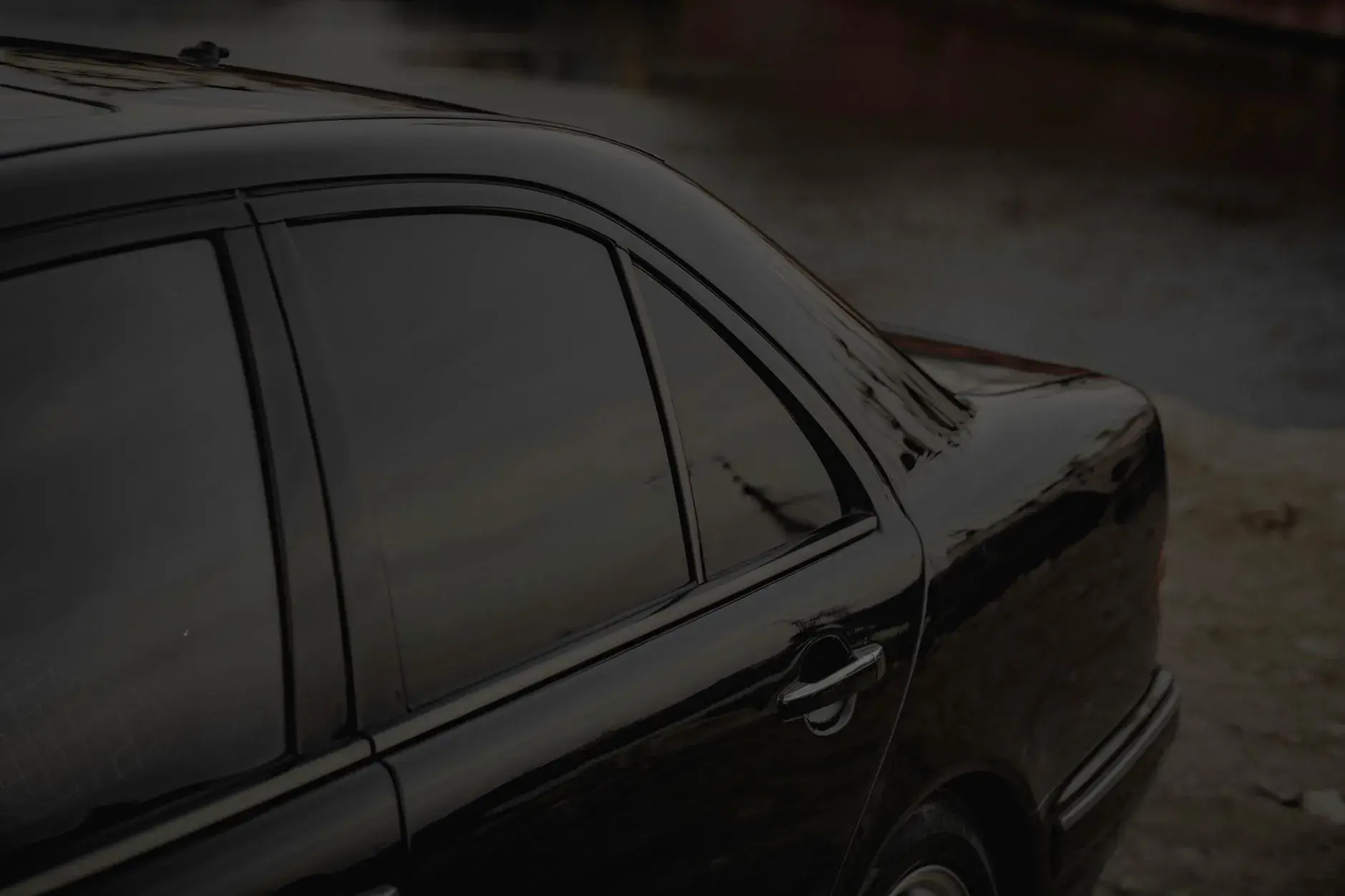
Carbon and ceramic window tint are non-metallic films offering excellent heat rejection and signal clarity. Carbon films use microscopic particles to absorb heat and maintain color stability. Ceramic films utilize nano-ceramic technology to block infrared rays more efficiently while providing superior clarity. Both options help reduce interior temperatures without interfering with GPS or mobile signals, making them reliable choices for modern vehicle protection.
Choosing between Carbon and Ceramic window tint often leaves car owners wondering about real-world performance versus cost. Many struggle to distinguish their construction and cooling capabilities, leading to suboptimal choices for different glass positions. This article details each technology to help you make the most accurate installation decision.
Construction of Carbon and Ceramic Window Tint
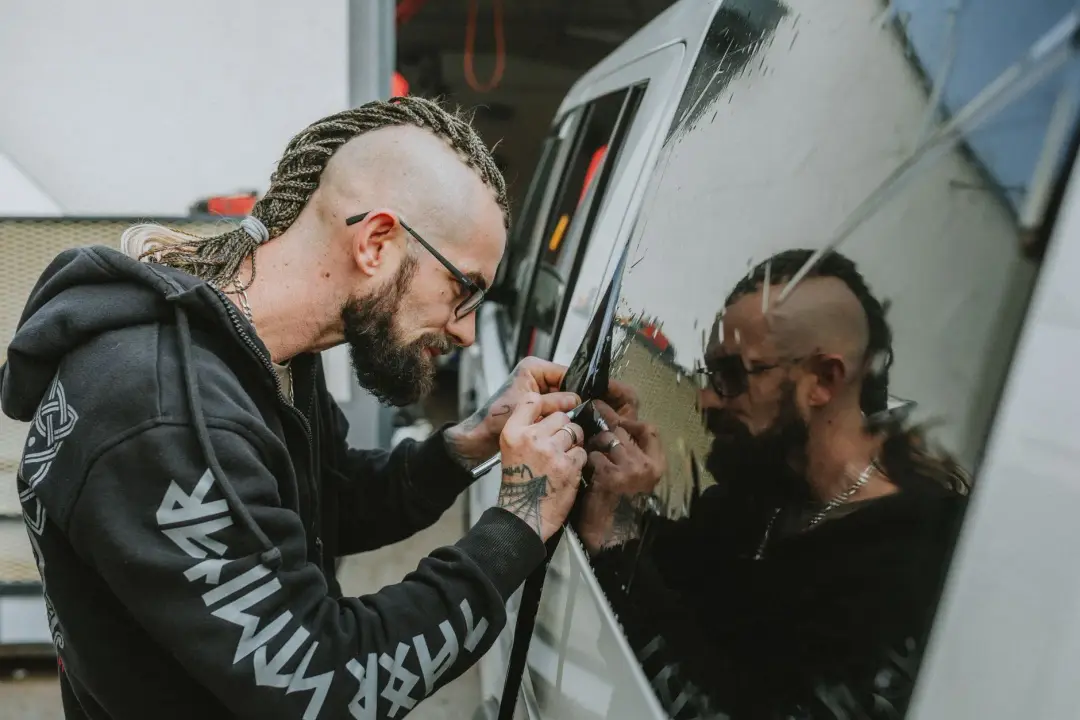
Microscopic Carbon Particles for Heat Stability
Carbon films use tiny carbon particles spread across the surface of the material. These particles are designed to absorb solar energy, which helps keep the interior space at a comfortable level. Because of the natural properties of carbon, this type of film remains stable under heat and provides a sleek appearance.
Modern Ultra-Fine Nano Ceramic Crystals
Ceramic films apply intelligent spectrally selective ceramic crystals to the film layers. These nano-particles allow visible light to pass through while effectively blocking heat-carrying wavelengths. This advanced material provides high transparency while protecting the vehicle interior from the effects of intense sunlight.
How do heat rejection and TSER ratings compare?
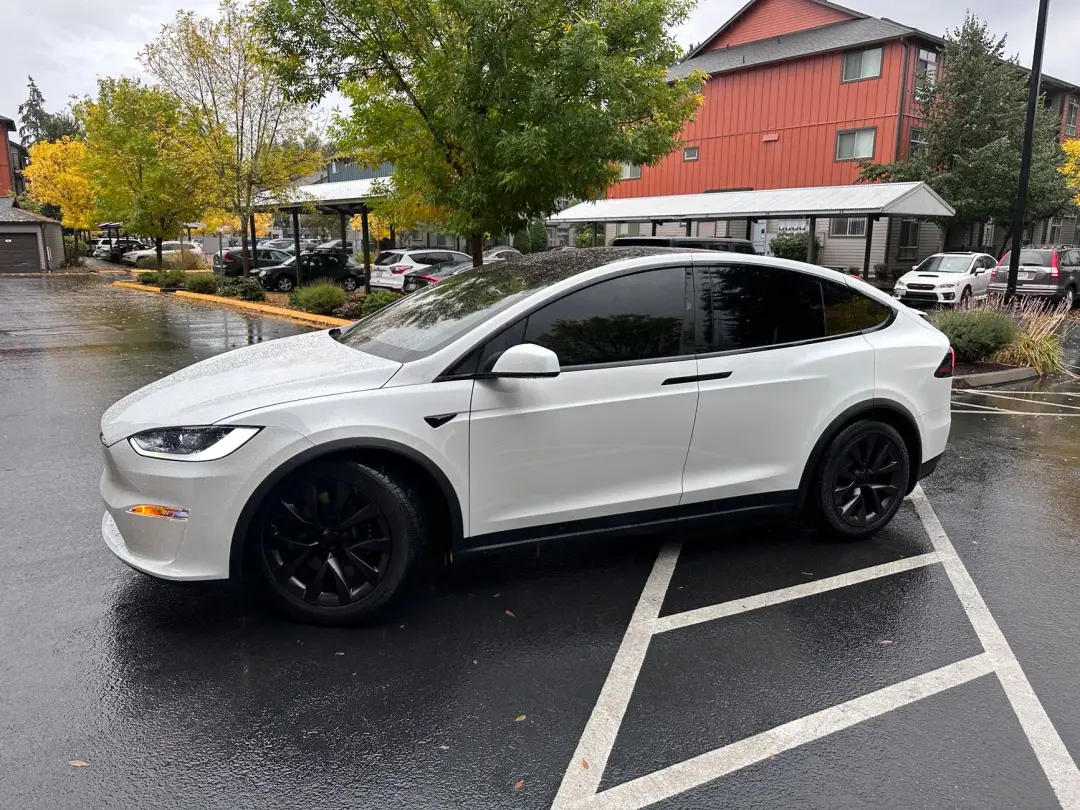
Effective Blocking of Infrared IR Rays
Infrared (IR) rejection is a critical factor when comparing carbon and ceramic films for heat protection. Carbon films manage heat by absorbing energy into the glass, which reduces the direct warmth felt by passengers. Ceramic films often provide a faster cooling effect because they reflect and block infrared rays at the surface layer.
Total Solar Energy Rejection (TSER) Performance
The TSER rating is a comprehensive measure of how well a film blocks solar energy. This index includes:
- Ultraviolet (UV) rays.
- Infrared (IR) rays.
- Visible light.
| Performance Feature | Carbon Film | Ceramic Film |
|---|---|---|
| Heat Rejection Mechanism | Heat absorption | Reflection and spectral filtering |
| IR Ray Blocking | Good | Very Good |
| TSER Rating | Stable | Higher |
How do material stability and color durability compare?
Dye-Free Characteristics to Prevent Fading
Color durability is a major advantage that allows these films to replace traditional dyed films effectively. Since the color originates from the carbon or ceramic particles themselves, the film is less likely to fade or turn purple over time. This ensures the vehicle maintains a premium aesthetic and consistent color across all windows.
Oxidation Resistance in Harsh Conditions
Both carbon and ceramic materials show impressive resistance to oxidation in humid or high-heat environments. Because they do not contain metal layers, these films do not corrode or bubble when exposed to salt air or moisture. At ARI PPF, high-end films are designed to maintain material stability, protecting your glass for years.
Visual Experience and Signal Transmission Benefits
Clarity for Safe Night Driving Visibility
Safe driving requires high transparency, especially during rain or at night. Ceramic films are often preferred for their superior clarity because the ultra-fine nano-particles do not scatter light. This provides the driver with a sharp view and helps reduce glare from the headlights of oncoming traffic.
Non-Metallic Structure Maintains GPS Signals
Maintaining a clear connection for electronic devices is a vital technical feature of modern films. Using automotive window tint without metal ensures you won't experience dropped connections on the highway. The non-metallic structure of both carbon and ceramic films allows mobile phones, GPS, and automated toll tags to function reliably.
Expert Tips for Optimal Film Combinations
Choosing the Right Film for Side Windows
Installing carbon film on side windows is an economical solution that still provides good heat rejection and privacy. Carbon options meet the basic needs of passengers by blocking heat while staying within a reasonable budget. For the windshield, owners should prioritize ceramic film to maximize light transmission and cooling performance.
Combining with Paint Protection Film for Total Care
To improve vehicle care, you can combine tinting with paint protection film (PPF). A PPF layer helps prevent scratches and rock chips while maintaining the beauty of the original paint. ARI PPF offers specialized protection solutions so your vehicle stays cool on the inside and well-maintained on the outside.
Frequently Asked Questions
Does carbon window tint interfere with mobile signals?
Carbon window tint does not interfere with phone or GPS signals because it contains no metal. Its non-conductive construction ensures that electronic devices and automatic toll tags work reliably. Drivers can enjoy heat absorption without worrying about losing connectivity while on the road.
Why is ceramic window tint more expensive?
Ceramic window tint costs more due to its complex manufacturing process and advanced nano-ceramic technology. These materials selectively block infrared rays without darkening the glass significantly. The investment in research and high-quality particles results in a higher price than carbon options.
Which film is better for electric vehicles with sunroofs?
Ceramic film is better for electric vehicles and panoramic sunroofs because of its superior heat rejection. High TSER ratings help maintain a stable cabin temperature, which reduces the load on the air conditioning system. This efficiency can help optimize battery performance and driving range.
Does ceramic film turn blue after long-term use?
High-quality ceramic film does not turn purple because it lacks organic dyes that break down under UV rays. Some ceramic films may have a slight natural blue tint due to the ceramic material's properties. This appearance remains stable over time and does not negatively impact the driver's visibility.
Contact ARI PPF to receive advice on the most suitable film package for your needs and to get detailed information on modern window film series.