Two cars of the same make and model year can receive paint protection film (PPF) quotes that differ quite a lot. PPF installation cost is not fixed by the name of the car. It is built up from several separate items, including the coverage area, the type of film and how complex the bodywork is.
Many owners do not know how a PPF quote is calculated, so it is hard to judge whether the PPF film installation cost they receive is reasonable. This guide breaks down the main cost components, explains how vehicle size, coverage and film type affect the price, and helps you plan a budget before you visit a shop.
What does a PPF installation cost in Vietnam include?
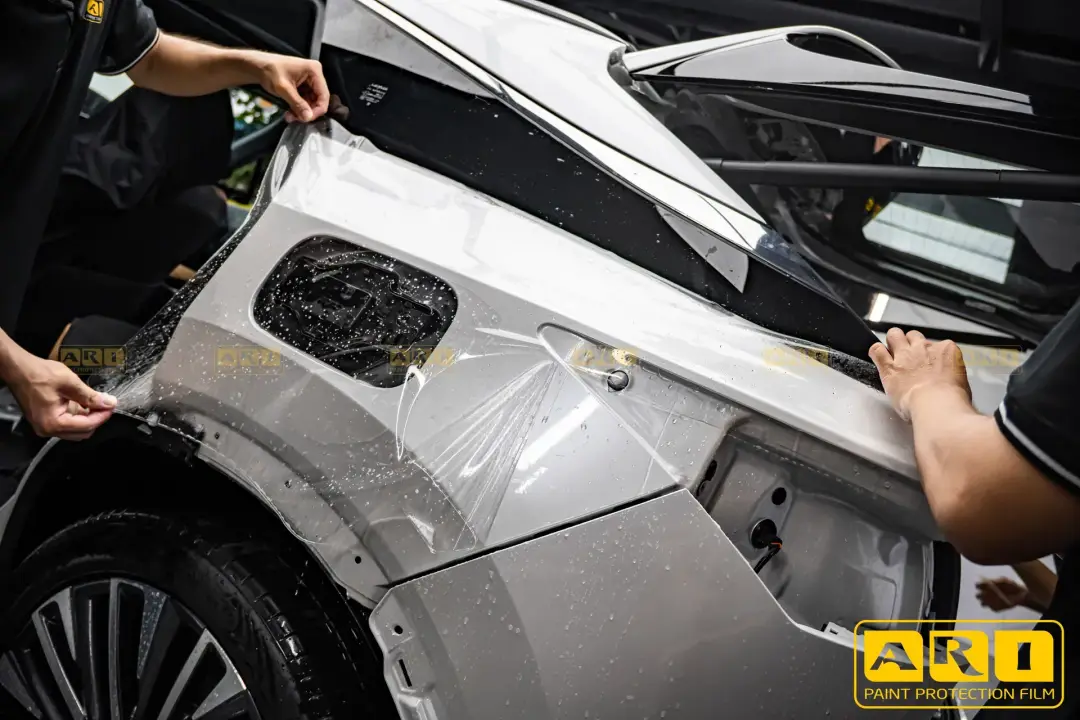
A PPF quote in Vietnam usually covers the film itself, the labor, surface preparation and any warranty that comes with the job. Each item affects the total, so ask for a breakdown instead of looking only at one final figure.
The film is the material cost, and it depends on the film type and the area to be covered. Labor and installation time usually make up most of the rest, because a clean fit requires many hours of careful alignment. Cleaning and preparing the paint before application should also be included in the price.
Cost of the paint protection film
The film is the largest material expense. Its price varies with the film grade and the surface area being covered, so two quotes for the same car can differ mainly because of the film chosen.
Labor and installation time
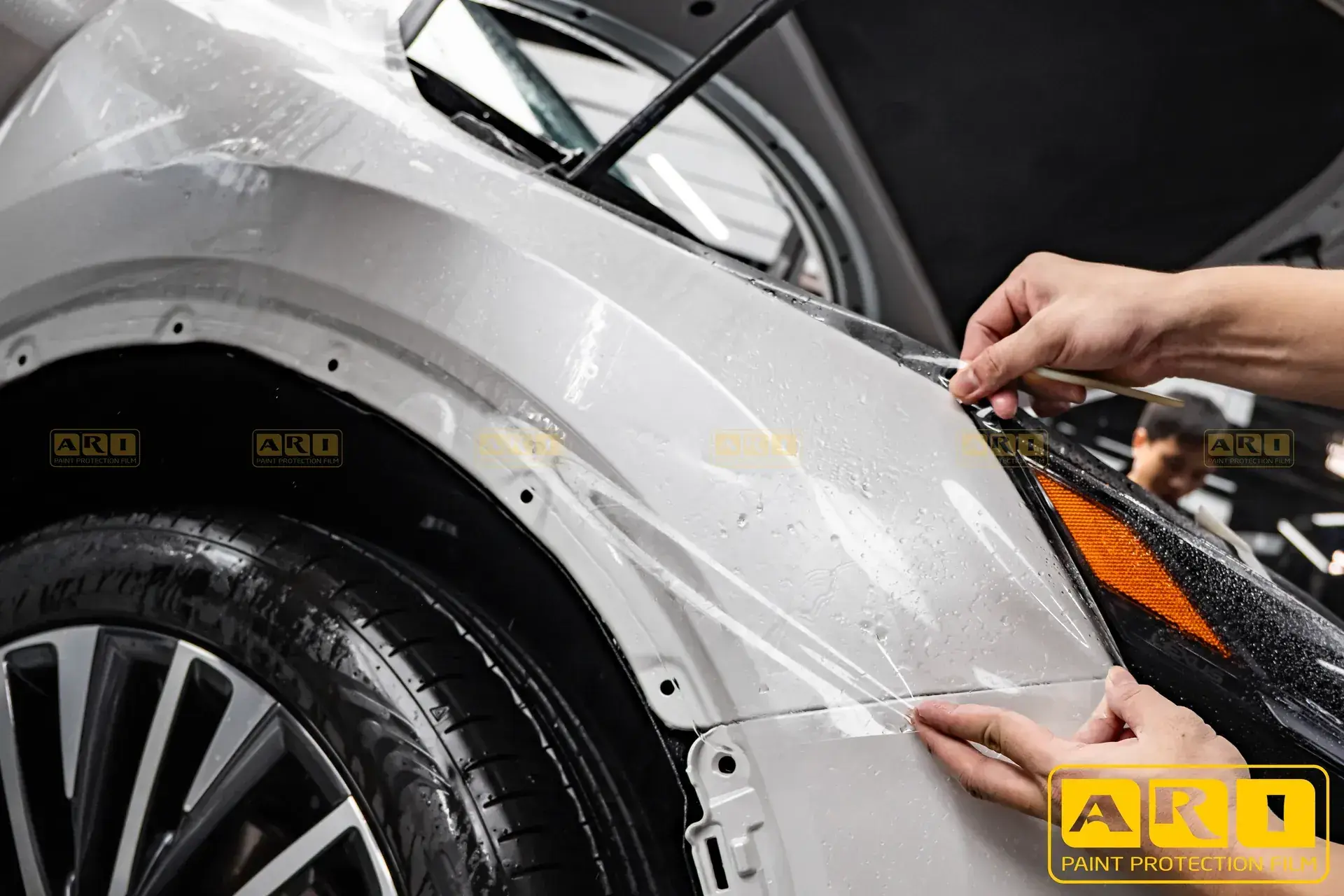
Installers spend many hours cutting, positioning and smoothing the film. Work done slowly and precisely costs more than a rushed job, but it is also the main way to avoid bubbles and edge lifting.
Surface preparation before application
Thorough washing, decontamination and paint treatment before the film goes on are essential. A shop that includes this step in its quote is usually doing the job more completely.
Pattern cutting and vehicle fitting
Some shops use pre-cut patterns for popular models, while others cut or adjust film on the vehicle itself. Ask which method is used, as it can influence both the time and the price.
Warranty coverage included
Warranty terms differ between shops and film products. Check what is covered, for how long and under which conditions, rather than assuming every quote includes the same protection.
How do vehicle size and shape affect the price?
Larger vehicles such as SUVs have more surface area to cover, so both film usage and installation time increase. Bodywork with many creases, curves and raised panels also requires more skill and more labor. This is why two cars of similar size can still receive different quotes.
A full body wrap that covers the entire vehicle is the most expensive option. A partial package such as the front end or individual parts like bumpers, mirrors and door sills usually costs less. These options suit owners with a limited budget or those who want to protect the areas most exposed to impact.
Vehicle size and total area to cover
The larger the surface, the more film and time the job requires. Measure your vehicle's coverage needs with the shop so the quote reflects the actual area.
How complex the body lines are
Sharp body lines, deep recesses and complex curves are harder to fit cleanly. Installers may need extra time to avoid stretching or wrinkles, which affects the labor portion of the price.
Number of curves and sharp edges
Each curved panel and sharp bend adds effort. Ask the shop how it handles these areas, since careful edge work is a key sign of quality.
Coverage options: full body, front end or individual parts?
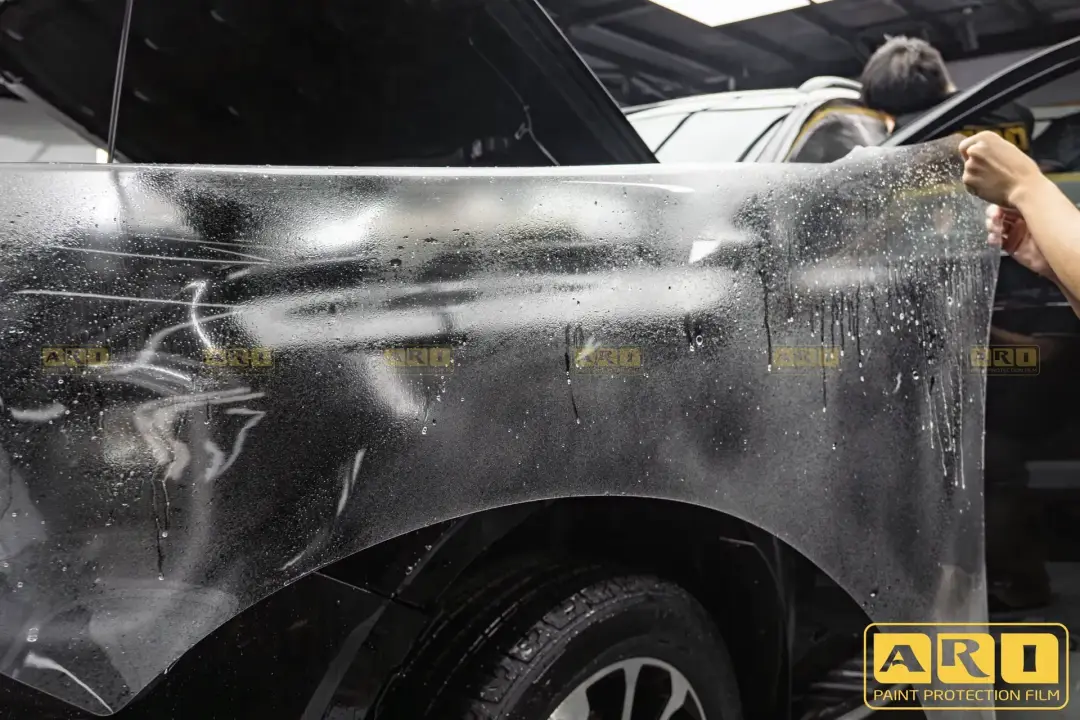
The coverage you choose has a direct effect on the total cost. Deciding which areas matter most to you is often the simplest way to set a realistic budget.
Full body installation and its cost
A full body installation protects the entire painted exterior and is the most comprehensive choice. Because it uses the most film and labor, it is also the most costly option.
Front end protection for high-impact areas
Protecting only the front end covers the parts most exposed to stone chips and road debris, such as the bonnet, bumper and headlight area. It is a practical middle option for many drivers.
Individual parts as needed
Smaller parts like mirrors, door edges or sills can be protected separately. This approach works well when you only want to guard specific areas.
How do TPU, TPH and PVC compare in durability and price?
TPU, TPH and PVC are three different film materials that vary in durability, clarity and cost. In general, higher-grade films tend to cost more, but the exact difference depends on the supplier and timing, so it is best to request quotes for each option directly.
Each type suits different needs. If long-term durability and clarity matter most, higher-grade films are worth considering. If you need a more economical option for basic protection, a film that fits your budget may be the right choice.
Durability and clarity of each material
Durability and clarity can vary between TPU, TPH and PVC films and between product grades. Ask the installer to explain the differences for the specific product being quoted.
Self-healing ability for light scratches
Some films are marketed with self-healing properties that can help minor surface marks recover under the right conditions, such as warm weather. Results depend on the product and how the vehicle is used, so treat these claims as conditional.
Relative price between film types
Prices are relative rather than fixed. Compare quotes for the same coverage area and ask the shop to show the film type used in each.
How much does installer skill and surface preparation matter?
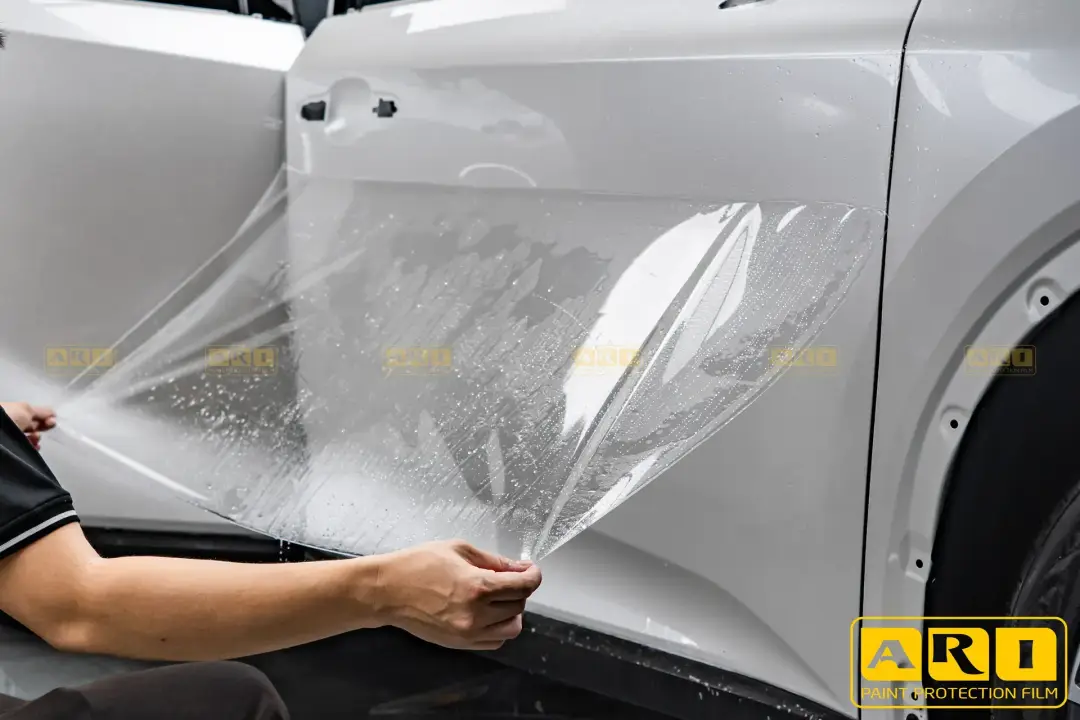
The quality of the result depends heavily on how the film is prepared and applied. Skilled installers and a careful process are often what separate a clean, lasting finish from one that fails early.
Role of cleaning and paint preparation
Removing contaminants and properly preparing the paint helps the film adhere well. Skipping or rushing this step can lead to lifting edges and trapped dirt.
Alignment skills and avoiding air bubbles
Precise positioning and smooth squeegee work reduce the risk of bubbles and misalignment. These skills take time, which is reflected in the labor cost.
Long-term consequences of careless installation
A poorly fitted film may bubble, lift at the edges, yellow or leave adhesive marks. Removing and reapplying it can cost more than the initial savings, so judge quotes by process and quality, not just by the lowest price.
What should you ask when comparing PPF quotes?
When you receive a quote, ask about the film type, coverage area, surface preparation process and installation timeline. If you are exploring a car tint software tool to plan your vehicle's coverage, ask the shop whether it uses similar pattern data for your model. Also ask about the warranty, the conditions attached to it and how the shop handles problems that arise during the warranty period.
Obtain quotes from at least two or three shops and compare them using the same criteria. Reputable PPF shops are usually happy to explain each line of their quote. You can also review ARI PPF's pricing information for a clearer picture of how costs are calculated.
For reference, see the original article: How much does PPF installation cost? Key price factors
See more: How to Fix PPF Pattern Mismatch Errors During Installation
Frequently asked questions
What does a PPF installation cost in Vietnam usually include?
A PPF installation quote typically includes the protective film, labor, surface preparation before application and any warranty offered. Each item depends on the vehicle, the coverage area and the film type. Ask for a quote that lists each item separately so you can compare shops fairly.
How do vehicle size and coverage affect the price?
Larger vehicles and bodywork with many curves need more film and installation time. A full body installation costs the most, while partial options such as the front end or individual parts usually cost less. Coverage is one of the biggest factors in the total quote.
How much difference is there between TPU, TPH and PVC?
In general, films with higher durability and clarity tend to cost more. The actual difference varies by supplier and time of purchase, so there is no fixed figure. Request quotes for each film type so you can compare them directly.
Why can a cheap PPF quote end up costing more later?
An unusually low quote may come from skipping surface preparation, using lower-grade film or rushing the fit. These shortcuts can cause bubbles, edge lifting or yellowing. Fixing those problems later can cost more than the initial savings.
What should customers ask to compare PPF shops?
Ask about the film type, coverage area, surface preparation process and installation timeline. Also confirm the warranty terms and how problems are handled. Comparing shops on the same criteria makes it easier to find the most reasonable quote.
Before you decide, get quotes from at least two or three shops and compare them against the criteria above. Choose the shop that explains each cost item clearly and offers transparent warranty terms, rather than simply picking the lowest price.