CIV-130
Motor Sports
130 designs
Motor Sports
Yellow Streak II
Dynamic Lines
Sport Lines
Black Gold Stripe
Yellow Arrowhead
Checkered Sport
Speed Lines
Black Brush
Black Velocity
Yellow Arrow
Shadow Stripes
Yellow Streak
Geometric Flow
Tactical Target
World Explorer
Showing 1–16 of 130 designs
Honda Civic decals provide a versatile aesthetic solution to personalize your car’s appearance, adding sporty highlights while supporting the protection of the original paint from minor environmental factors. Owners can choose from simple side stripes to comprehensive color change wraps based on their preferences and budget. Using high-quality materials and precise technical procedures at reputable centers helps maintain the film's durability and keeps the result within local vehicle regulations.
The Honda Civic naturally carries a sporty DNA, but its original appearance may not always fully reflect the owner's personality. Standard factory aesthetics can make the car feel common when moving through the streets. Many owners worry that applying decals might damage the original paint, lead to traffic fines, or that the material will degrade quickly. This guide provides information on decal types, legal considerations, car decal designs, and safe installation methods.
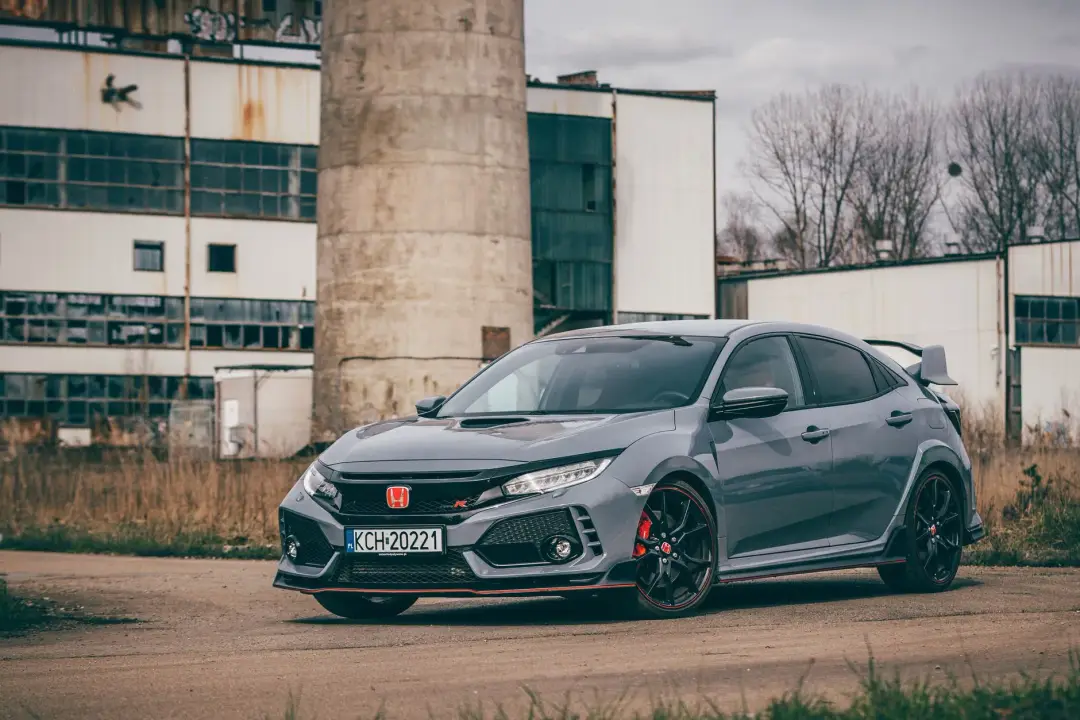
Every car owner has a unique aesthetic taste and wants their vehicle to reflect their personal style. Applying Honda Civic decals allows users to modify the car's appearance without changing its mechanical structure. The Civic's original sharp design lines become even more prominent when combined with the right decal set. You can choose styles ranging from elegant and sophisticated to powerful and aggressive.
The decal layer acts as a thin protective film over the car's glossy paint surface. During daily use, factors like dirt, small stone chips, or minor impacts in parking lots can cause scratches. The decal layer takes the initial impact, helping to reduce the risk of direct damage to the original paint. This helps maintain the vehicle's value more effectively if the owner decides to resell it later.
Unlike repainting the entire car, applying decals is a highly flexible method. If the owner wants to switch to a different beautiful Civic decal set or return to the original paint color, removing the old decal is relatively easy. This process does not affect the paint surface if the material uses high-quality adhesive. Such flexibility is particularly suitable for those who enjoy frequent updates to their vehicle's look.
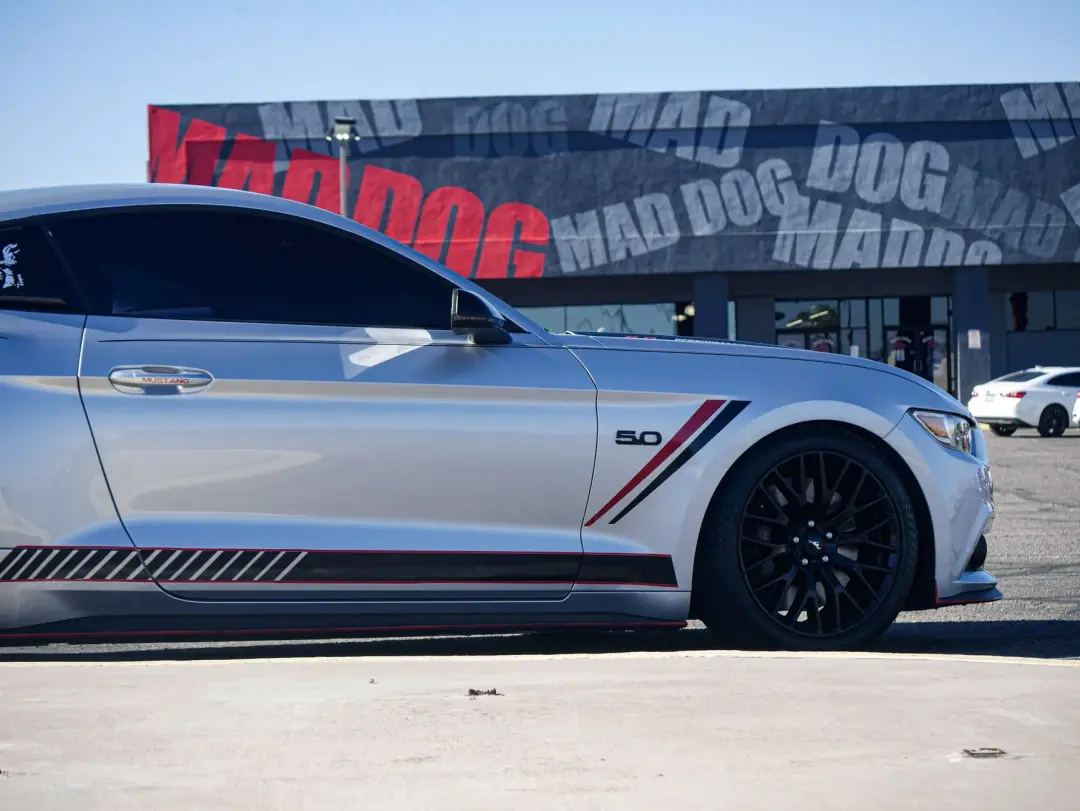
Side decals for the Civic are usually decorative patterns running along the sides of the body, from the front wheel arches to the taillights. These designs are often inspired by racing cars or high-performance versions like the Type R. Patterns can include stripes, geometric blocks, or names of upgraded parts brands. This is a popular choice for those wanting a subtle change that still creates a strong visual impact.
This line of decals includes several small pieces cut and applied to specific locations such as the hood, side mirrors, or the C-pillar. Decorative decals for the Honda Civic allow for the creation of complex shapes and multi-colored patterns. This technique requires meticulous alignment to ensure the pieces are tight and balanced. It is a cost-effective option that provides high decorative efficiency.
A full wrap involves large printed decals that cover an entire component or the whole vehicle. This method is often used when owners want to display complex 3D designs or artistic imagery. When applying full wraps, it is important to consider the material's stretch at curved areas to avoid image distortion. Full wraps also provide excellent protection for the paint surface over a wide area.
Color change wraps use solid-colored decals such as matte, satin, glossy, or chrome to completely transform the car's color. This method allows for unique colors that are difficult or expensive to achieve with traditional paint. Changing the color of a Civic with decals requires highly skilled technicians to handle deep edges inside the bodywork. The result is a completely new, luxurious, and uniform appearance.
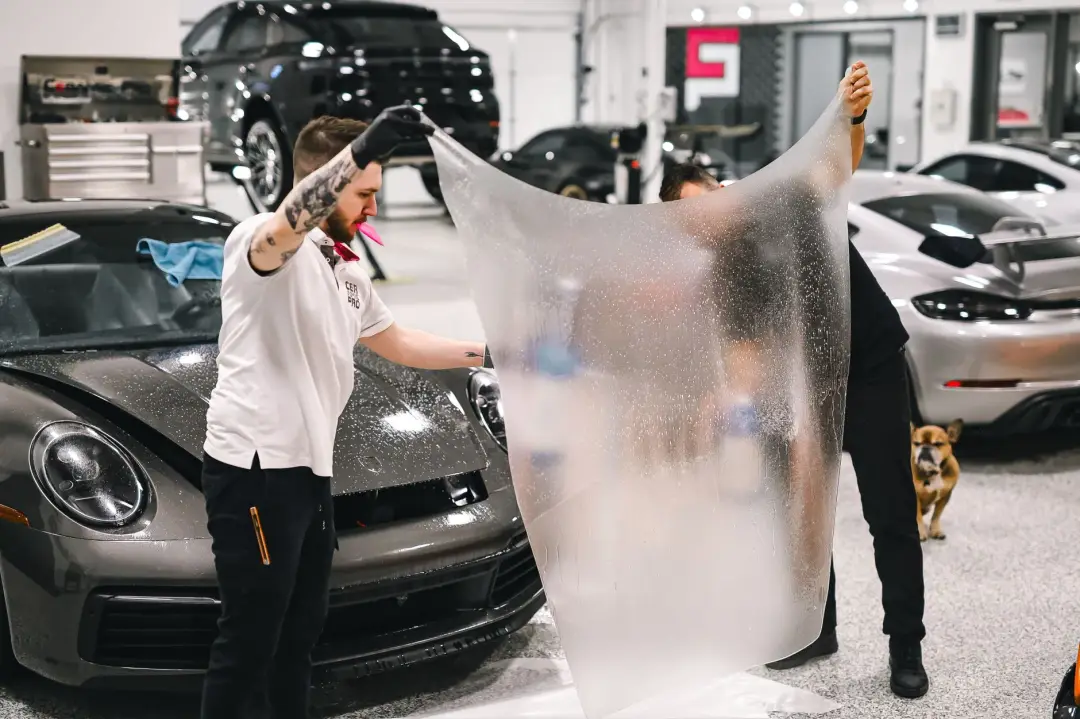
Decorative decals focus mainly on aesthetics, changing colors and patterns for the car. In contrast, paint protection film (PPF) is designed with protection as the priority. PPF is usually transparent, helping to maintain the original paint color while increasing gloss and providing superior scratch resistance. Owners should clarify whether their goal is "beautification" or "protection" to choose the right material.
Decorative decals are generally thinner than PPF. High-quality PPF is made from TPU (Thermoplastic Polyurethane), which has the ability to self-heal minor scratches when exposed to heat. Standard decals do not have self-healing capabilities and are more prone to tearing during significant impacts. However, decals offer a much wider variety of colors and visual effects compared to transparent protection films.
| Feature | Decorative Decals | Paint Protection Film (PPF) |
|---|---|---|
| Main Material | PVC or PET | TPU or TPH |
| Purpose | Color change, patterns | Scratch resistance, paint protection |
| Thickness | Thin | Thick and durable |
| Self-healing | No | Yes (with premium TPU) |
An effective solution is to use Honda Civic decals for decoration and then apply a transparent layer of PPF over them. Many owners choose to apply decorative graphics before installing PPF for cars to ensure both style and surface preservation. Some markets also offer colored PPF, which changes the car's appearance while maintaining the protective properties of TPU. However, this combination usually requires a larger investment than using a single material.
For the standard Civic E version, a simple decal design with thin lines along the body is a sensible choice. These lines help highlight the traditional sedan shape without losing sophistication. You can choose subtle contrasting colors like silver on a white car or matte black on a gray car. Minimalism helps the car look modern and prevents it from becoming outdated over time.
The Civic G version often aims for a balance between features and aesthetics. Decal patterns with wave-like shapes or soft geometric blocks at the rear are very suitable. Using decals with a satin effect helps the car look more luxurious under daylight. Small highlights on the mirrors or door handles also create a significant difference for this specific version.
Decals for the Civic RS often feature warm tones like red, orange, or glossy black to emphasize its sporty nature. Racing designs with numbers, double stripes on the hood, or honeycomb patterns on the sides are top choices. For the RS, using reflective decals on the wheel rims or front bumper helps the car stand out exceptionally at night. This style clearly expresses the speed spirit of the RS line.
When applying decals to a black Civic, color selection is crucial so the design does not get lost. Tones like gold, chrome silver, or deep red create a strong visual effect against the glossy black paint. You can also choose matte black decals on glossy black paint to create a mysterious layered texture. This color coordination requires refinement in distributing the color ratios across the body.
The price of Honda Civic decals depends heavily on the origin and type of material used. Standard decals made from PVC are more affordable but have lower color durability. Premium decal lines from the US or Europe use air-release technology, ensuring a smooth surface and leaving no residue when removed. Special decals like chrome or iridescent colors always have a higher price point than basic solid colors.
Choosing pre-made decal sets is less expensive than requesting custom Honda car decals. Custom designs require a designer to accurately measure the Honda Civic's components to create a precise fit. Sets with many small details or multiple layers of different colors also consume more effort and time. Uniqueness in design always comes with a corresponding fee for the creative work involved.
Costs vary depending on whether you are applying side decals, small details, or a full car wrap. Applying decals for a 2024 Civic on just the sides uses much less material than covering the entire hood, roof, and doors. Additionally, adding decals to interior parts or accessories will be added to the total cost. Owners should discuss the specific area to be covered to receive an accurate quote.
Installation technique determines the durability and aesthetics of the decal set. Handling difficult areas like door handles, mirrors, or bumper gaps requires meticulous skill and experience. Professional units with standardized processes and specialized tools often charge more but help prevent the decals from peeling. The longer the installation takes and the higher the focus required, the more the labor cost will increase.
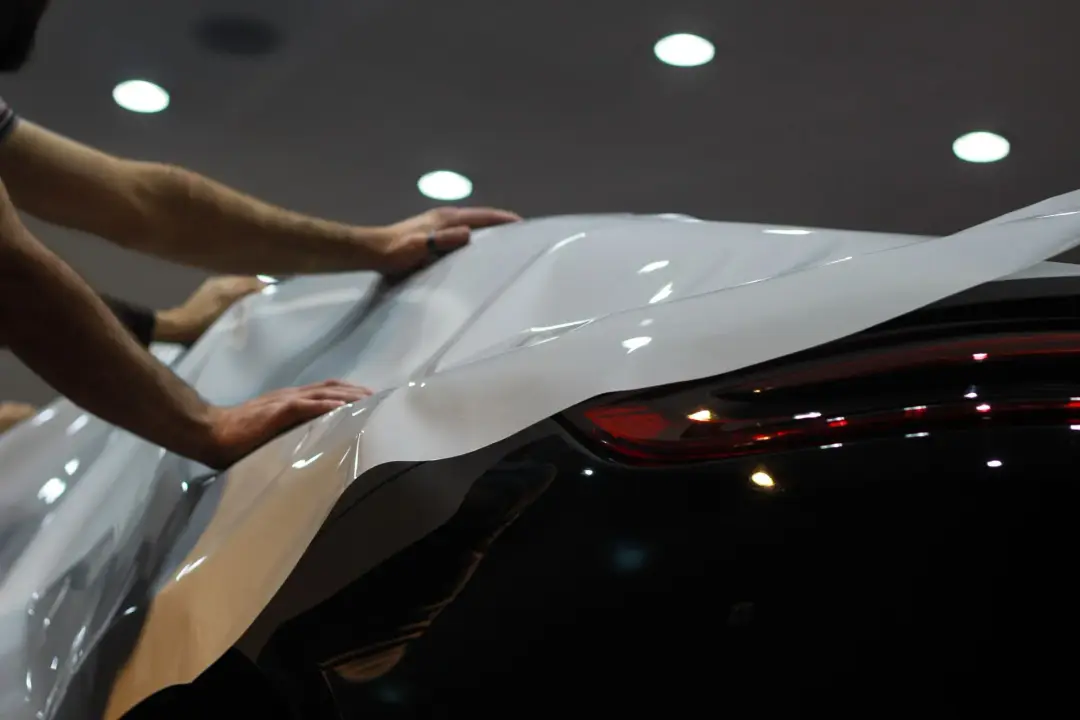
The first and most important step is cleaning the entire vehicle surface. Technicians wash the car thoroughly and then use a specialized clay bar to remove stubborn contaminants like tar or iron dust. The paint surface must be completely clean and smooth for the decal to have the best adhesion. If the surface remains dirty, the decal may develop air bubbles or peel off shortly after use.
At professional centers, Honda Civic decals are often cut using a CNC machine according to the car's specific templates. This minimizes the use of manual blades directly on the paint, avoiding the risk of scratches. Details are cut precisely, supporting a balanced look when applied to the car. For custom designs, the drawings are programmed on a computer before being sent to the cutter.
Technicians apply the decals to the car, using specialized squeegees to remove air between the film and the paint. This process requires skill to ensure the decal does not wrinkle or misalign with the design. Edges are treated with a heat gun to increase adhesion and are tucked into door gaps and wheel arches. Careful edge handling prevents water and dirt from entering the adhesive layer.
Once applied, the car is moved to a high-intensity lighting area for a total inspection. Technicians carefully check every detail to minimize air bubbles, wrinkles, or loose edges. If any faults are found, that section is addressed immediately to achieve a clean, consistent finish. Finally, the car is wiped down with a specialized solution before being handed over to the customer with maintenance instructions.
According to current regulations, changing a vehicle's color should not significantly alter the information on the vehicle registration. Applying side stripes or small decorative patterns usually does not cause serious legal issues. However, if you perform a full color wrap, you must complete the procedures to change the registered color with the authorities. Compliance helps you avoid trouble and fines during traffic stops.
To protect the decal layer, be careful when washing the car, especially at automatic washes or when using high-pressure nozzles. Do not spray high-pressure water directly at the edges of the decals, as the pressure can lift the adhesive. A safe distance for spraying water is at least 30-50 cm from the decal surface. Use neutral soaps and soft cloths for cleaning, avoiding harsh detergents containing solvents.
High temperatures from sunlight are the enemy of decal materials. Long-term exposure to UV rays can cause the decal colors to fade and the adhesive to harden, making it difficult to remove later. If possible, prioritize parking in shaded areas or use a car cover when the vehicle must stay outdoors for long periods. Proper preservation will extend the life of the decals and keep the car looking new.
Applying decals usually does not result in fines if the decorative graphics do not change the primary color listed on the vehicle registration. Current regulations do not set a fixed coverage percentage, so keep decals as accents and choose colors that harmonize with the original paint. For full color changes, owners must follow official procedures to update their registration.
The price for side decals on a Honda Civic depends on the material quality and the complexity of your chosen design. Pre-cut simple patterns are more affordable, while custom designs or premium imported materials involve higher costs. For an accurate quote tailored to your specific needs, it is best to contact a professional installation center directly.
High-quality decals will not cause the original paint to peel if the paint surface is original and has not undergone low-quality repairs. The adhesive in genuine decal lines is designed to stick well but can be removed easily without leaving residue or damaging the surface. However, if the car has been repainted at a low-quality body shop, the new paint may lack sufficient adhesion.
The time required depends on the service package, ranging from a few hours to several days. Simple side decals can be finished in about 2 to 4 hours, whereas a full color change wrap might take 2 to 3 working days. This process includes deep cleaning, disassembly of parts if necessary, the application itself, and a final quality check.
Owners should prioritize premium cast vinyl or TPU-based colored PPF to support color durability under the hot sun in Vietnam. These materials offer better UV resistance, reducing the risk of shrinkage, brittleness or fading over time. High-quality decals also have excellent flexibility, allowing them to hug the car's curves and maintain a beautiful gloss longer than standard calendered PVC films.
Applying Honda Civic decals is a flexible aesthetic solution that helps personalize the exterior if the right materials and precise installation techniques are chosen. This is not only a way to refresh the car but also a reflection of the owner's lifestyle. Contact us today to receive a consultation on the right decal design for your Honda Civic.